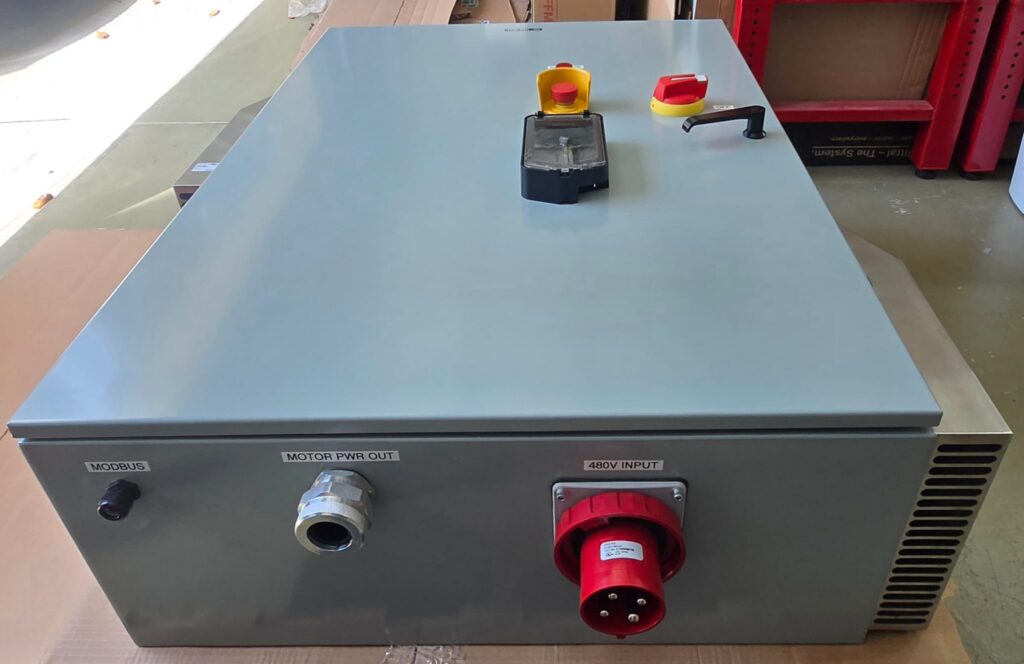
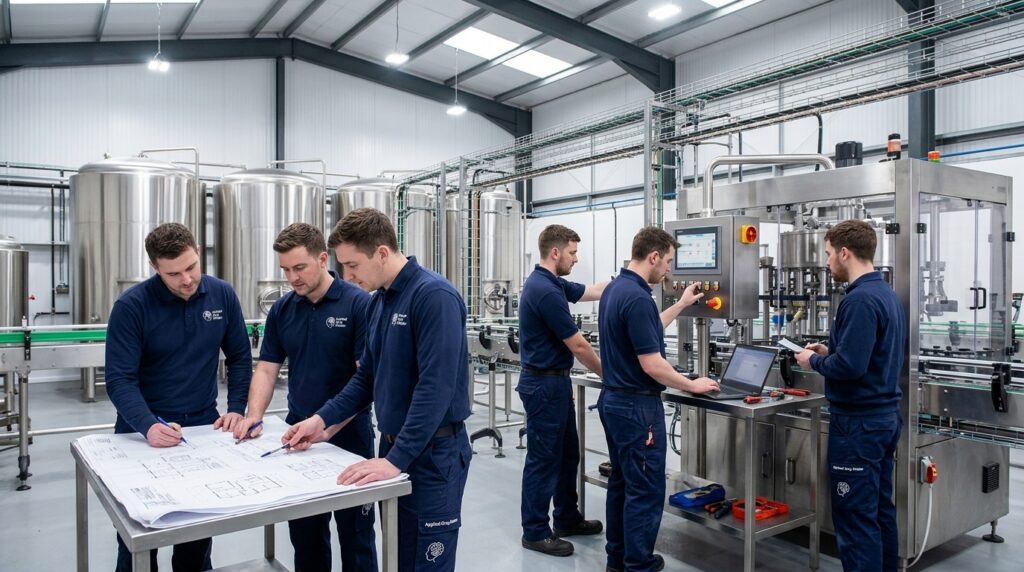
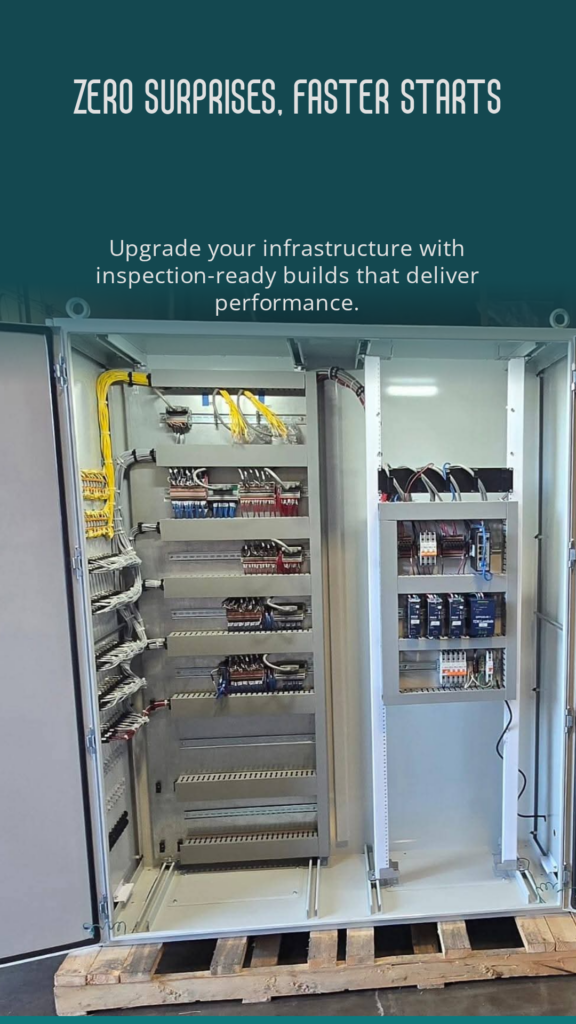
Executive Summary
For Plant Engineers, Industrial Engineers, and Automation Engineers, the confusion around UL 508A compliance and NFPA 79 control panels usually comes down to one core issue: UL 508A is primarily about how an industrial control panel is constructed and labeled, while NFPA 79 is about the electrical equipment of industrial machinery as applied within the machine. In practice, they are complementary, not competing, requirements. A well-designed OEM machine often relies on both: a properly constructed control panel and a machine-level electrical design that addresses disconnecting means, protection against electrical hazards, grounding, control reliability, and broader machinery safety considerations. UL Solutions NFPA aeSolutions
The practical takeaway is simple: if you are evaluating a custom panel, sourcing an OEM machine, or writing equipment specifications, do not ask whether UL 508A or NFPA 79 “wins.” Ask instead: What part of the system am I evaluating, and what is the intended installation and use? That question leads to better specifications, smoother inspections, lower rework, and safer operation. NFPA UL Solutions
Why This Topic Matters
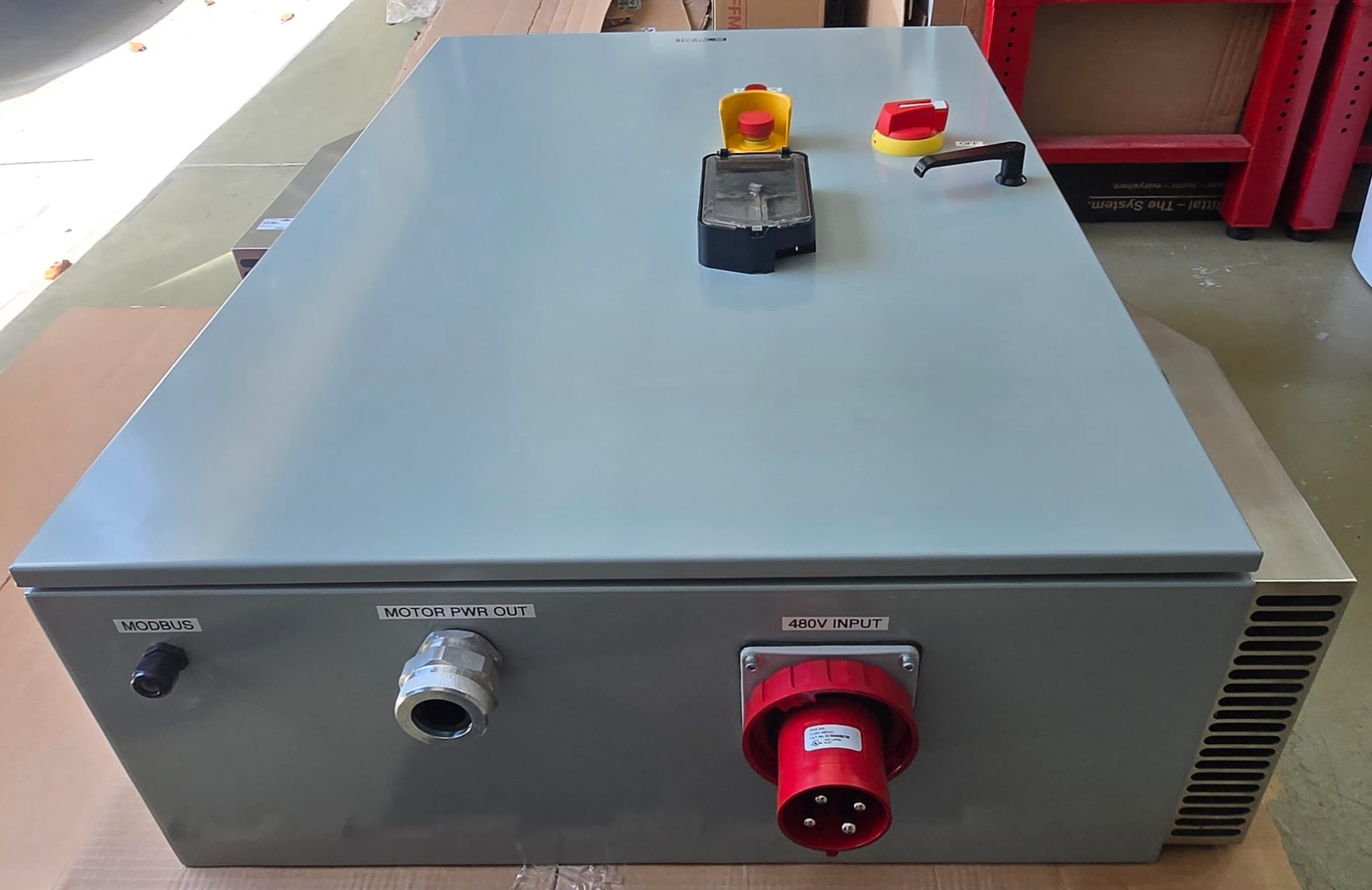
In industrial projects, misapplying standards creates real cost. Panels get red-tagged, SCCR markings are missing or incorrect, documentation is incomplete, or machines arrive onsite with controls that satisfy internal design preferences but do not align with the expectations of the AHJ, insurer, or plant electrical standards. UL notes that its Industrial Control Panel Shop Program is intended to help panel builders apply certification marks properly and reduce job-site delays. NFPA, meanwhile, makes clear that NFPA 79 exists to safeguard industrial machinery, operators, facilities, and work-in-progress from fire and electrical hazards.
This is why panel shop standards matter strategically, not just technically. A UL 508A-capable panel shop improves consistency in component selection, markings, enclosure ratings, wiring methods, and documentation. A machine designed around NFPA 79 principles improves safety at the machine level, especially where electrical hazards, downtime risk, and maintenance exposure are high.
What UL 508A Is
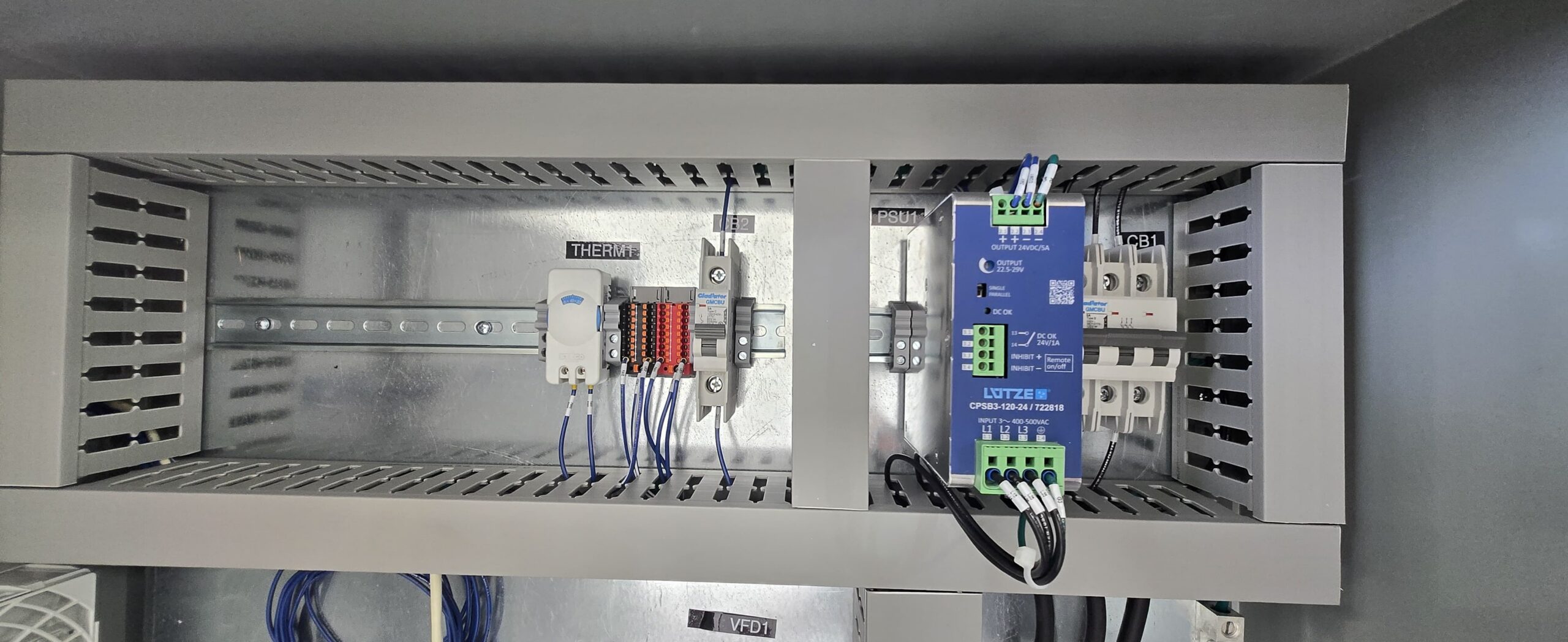
UL 508A is the Standard for Industrial Control Panels. UL describes it as the standard used to determine compliance for industrial control panels, and its panel shop program allows qualified manufacturers to apply UL marks to a wide range of custom-built or mass-produced panel designs at their own factories. UL further explains that industrial control panels, as defined by NEC 409.2, are assemblies of power circuit components, control circuit components, or both.
In plain engineering terms, UL 508A compliance is about the panel as a product assembly. It focuses on whether the panel has been built using acceptable components, suitable enclosure/environmental ratings, appropriate wiring and motor protection practices, required safety markings, and a construction approach that aligns with the applicable code framework. UL also emphasizes that the program covers component usage, enclosure ratings, wiring, motor protection, markings, and conformance to NEC and CEC expectations.
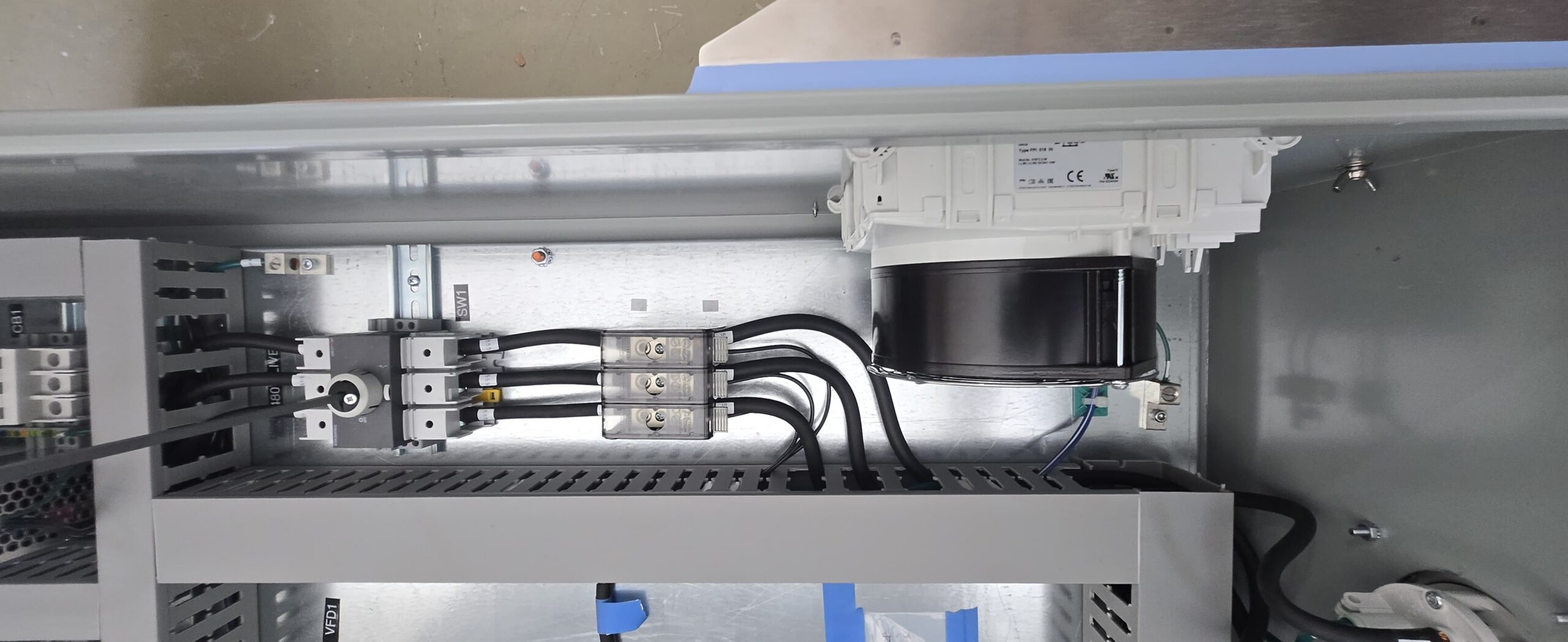
A major reason UL 508A matters to OEMs and plants is that it provides a recognized basis for acceptance. UL states that when regulators, specifiers, and end-product certifiers see the UL mark, they can have confidence that the panel met the certification requirements. UL also notes that the program is designed to minimize red-tagged panels and the delays and extra cost that follow.
What NFPA 79 Is
NFPA 79 is the Electrical Standard for Industrial Machinery. NFPA states that it provides safeguards for industrial machinery to protect operators, equipment, facilities, and work-in-progress from fire and electrical hazards. NFPA also explains that the purpose of the standard is to provide detailed information for the application of electrical and electronic equipment, apparatus, or systems supplied as part of industrial machines.
NFPA’s own overview is especially useful for engineers because it explains where NFPA 79 begins in relation to the building wiring. The NEC governs the supply circuit conductors up to the point they terminate within the machine; from that point forward, NFPA 79 applies to the machine’s electrical equipment. NFPA also notes that the standard applies to industrial machines operating at 1000 volts or less.
For NFPA 79 control panels, the panel is not the whole story. The standard reaches beyond the enclosure and into the machinery context: disconnecting means, grounding and bonding, protection against electrical hazards, equipment protection, control equipment, motors, technical documentation, and risk reduction. NFPA specifically highlights topics such as interlocking, fault protection, PELV/Class 2 circuits, overcurrent protection, overload protection, ground faults, abnormal temperatures, supply voltage loss or reduction, overspeed, and phase sequence issues.
The Core Difference in One Sentence
UL 508A evaluates and governs the construction of the industrial control panel; NFPA 79 governs the application of electrical equipment within industrial machinery.
Side-by-Side Comparison
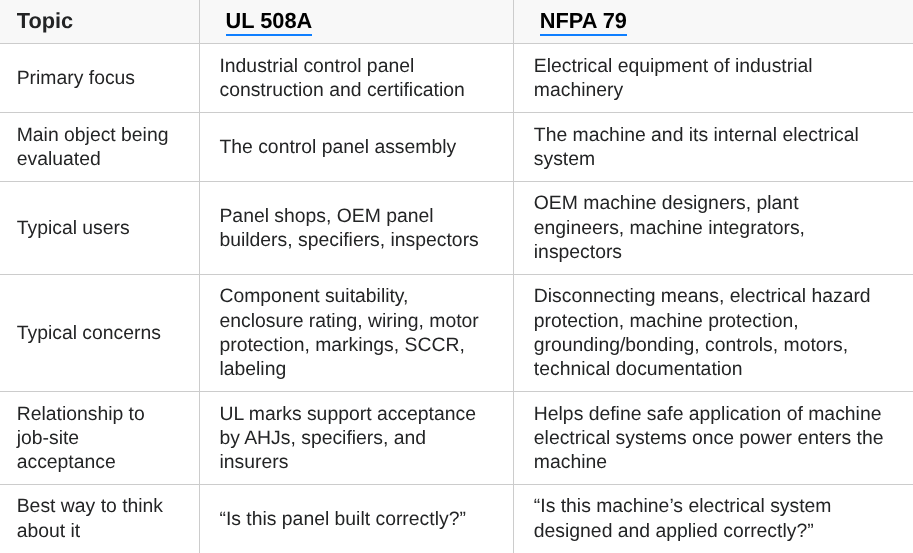
This comparison reflects UL’s description of the panel shop program and NFPA’s explanation of where NFPA 79 applies in the machine electrical system.
How the Standards Work Together
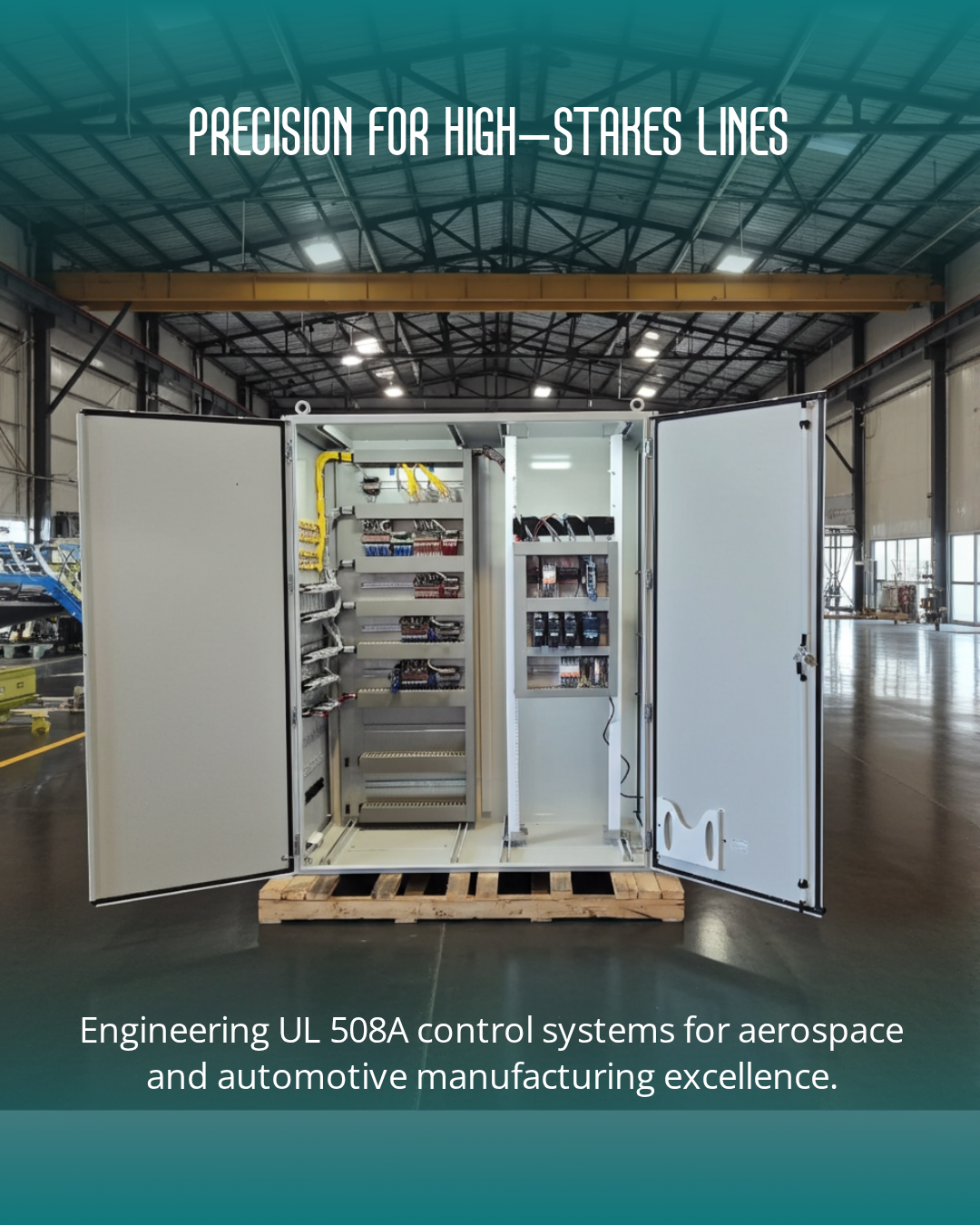
The most important lesson for OEMs is that these standards typically stack, rather than substitute for one another. A control panel on an industrial machine may be built in accordance with UL 508A compliance principles and labeled through a qualified UL panel shop, while the machine as a whole is designed and evaluated using NFPA 79 principles for its internal electrical equipment. That is why aeSolutions summarizes the relationship by saying UL 508A governs panel construction and evaluation, while NFPA 79 governs the electrical equipment of industrial machinery as installed and operated.
This distinction is especially important in OEM machine projects. If an engineer specifies only “UL 508A panel required,” that may help with panel construction quality, but it does not fully address machine-level concerns such as disconnecting means, protection against electrical hazards, or other machinery-specific provisions. Conversely, if a machine is discussed only in terms of NFPA 79, the project team can still run into avoidable friction if the panel itself lacks the markings, component controls, or recognized construction pathway expected by the authority reviewing the equipment.

What This Means for Plant Engineers
For Plant Engineers, the issue is usually not academic. It is operational. When a machine arrives onsite, the plant needs to know whether it can be installed, energized, maintained, and expanded without triggering compliance disputes or creating hidden reliability risk. UL 508A-certified panel construction helps establish confidence in the panel’s assembly, markings, and component application. NFPA 79 helps ensure the machine’s internal electrical design addresses hazards and operating reliability in the context of industrial machinery.
From a maintenance perspective, this matters just as much after startup as before it. aeSolutions notes that correctly established SCCR and appropriate protective devices improve resiliency and reduce the likelihood of catastrophic faults and extended downtime, while standardized markings and documentation help technicians troubleshoot and modify equipment with greater confidence.
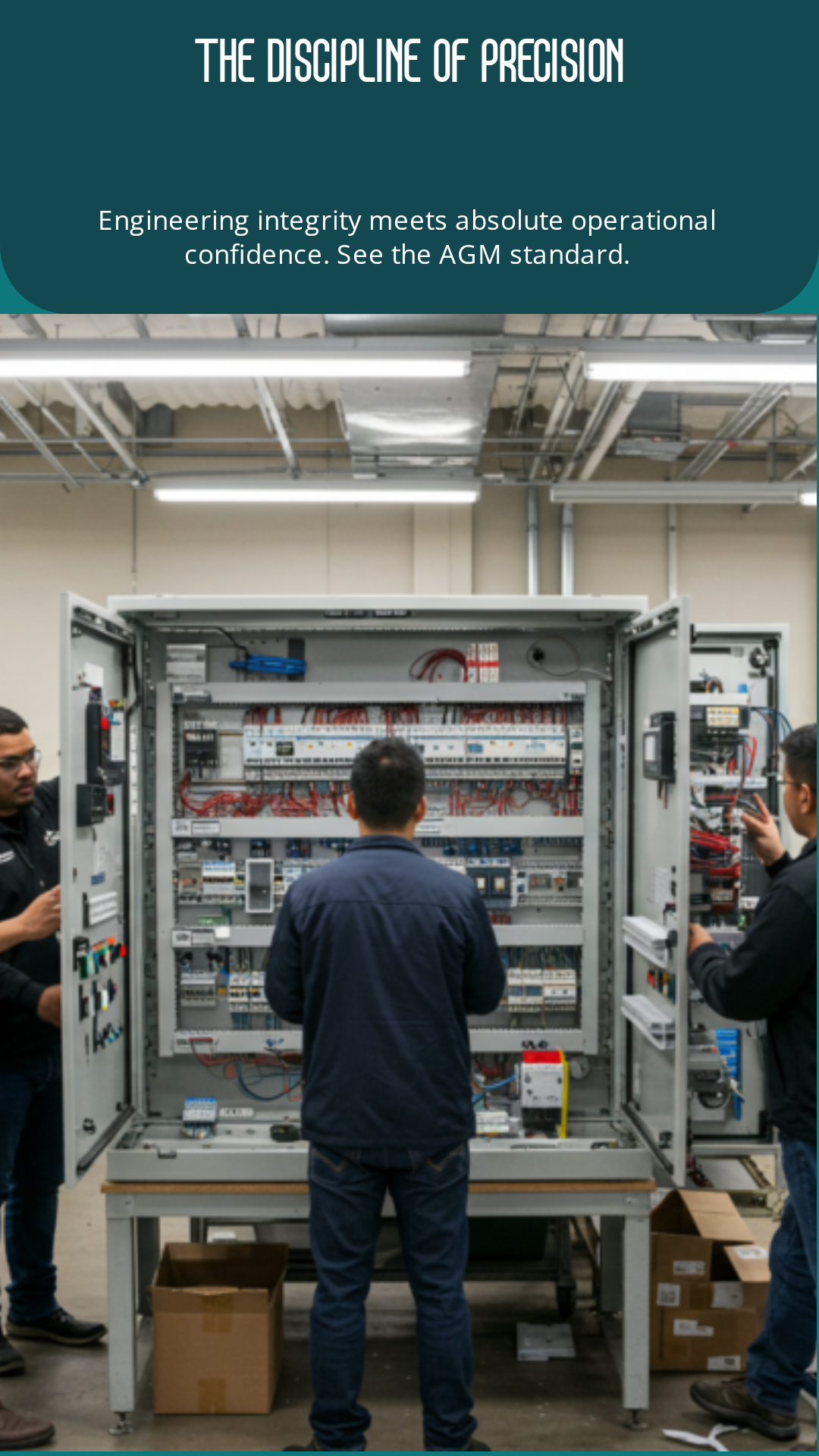
What This Means for Industrial and Automation Engineers
Industrial and Automation Engineers are often the bridge between controls design intent and field reality. That means they should treat UL 508A compliance as a control-panel execution discipline and NFPA 79 control panels as part of a broader machine-electrical architecture. The panel cannot be treated as an isolated box if it is part of a machine whose operation, safety circuits, protective measures, and service access all have to work together coherently.
In practical specification language, Automation Engineers should think in layers: building supply requirements, machine-level electrical requirements, control-panel construction requirements, and plant-specific standards. Projects go wrong when teams write one layer and assume the others are implied. They are not. UL and NFPA resources together make clear that the machine boundary, the panel boundary, and the installation boundary are related but distinct.
A Useful Rule of Thumb
If the question is, “Was the panel assembled, marked, and documented in a recognized way?” you are usually thinking in UL 508A terms.
If the question is, “Does the machine’s electrical system provide the right protection, disconnecting means, wiring approach, and hazard mitigation once power enters the machine?” you are usually thinking in NFPA 79 terms.
If the question is, “What do I need on my OEM machine project?” the answer is often both.
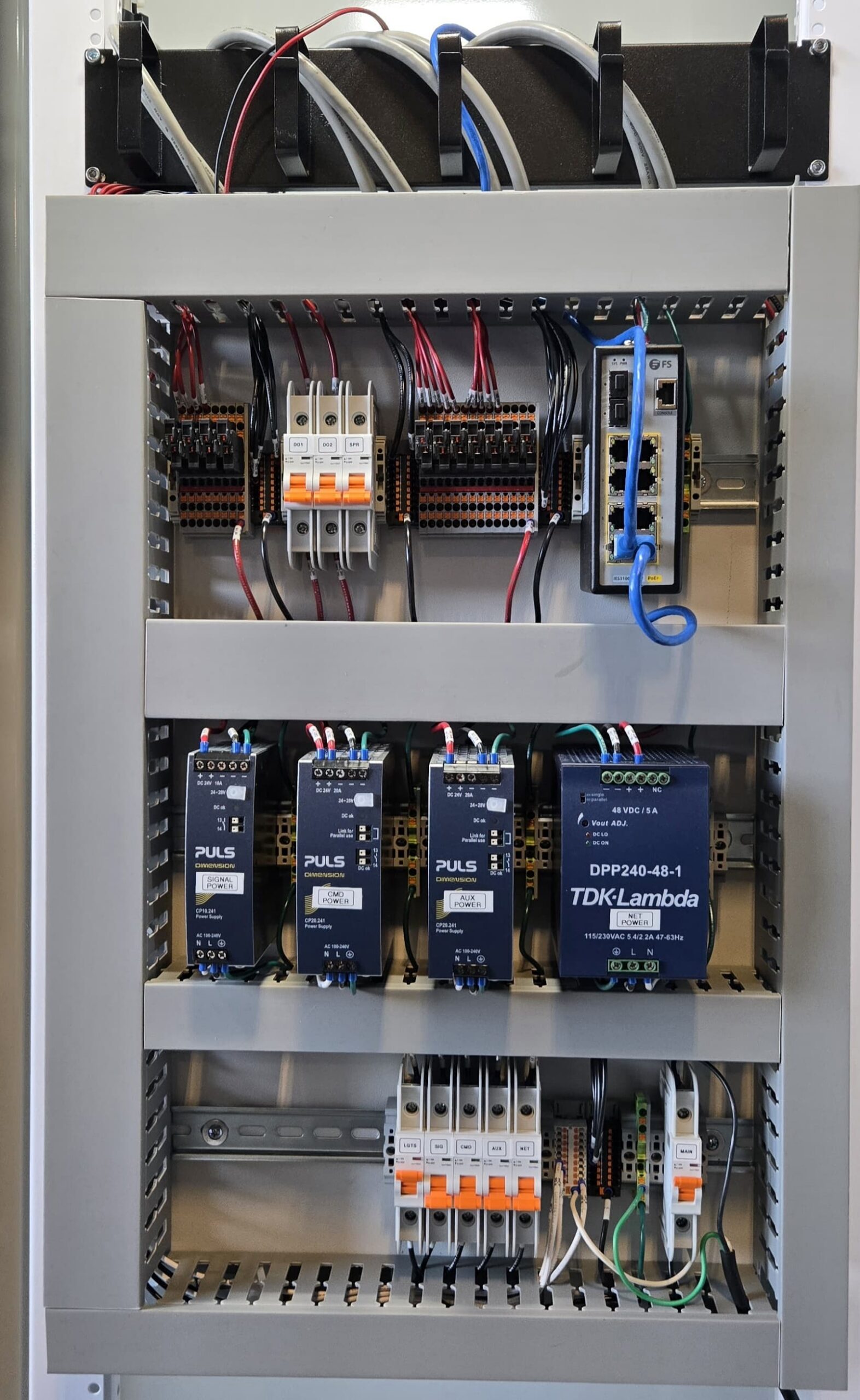
Common Misunderstandings
One common mistake is assuming that a robustly engineered control panel automatically resolves all machine-level electrical compliance questions. It does not. NFPA emphasizes that industrial machines require consideration of hazard protection and equipment protection within the machine itself, including fault protection, overcurrent protection, abnormal temperatures, supply voltage interruption, and related topics. NFPA
Another common mistake is assuming that a machine discussion centered on NFPA 79 eliminates the need for disciplined panel shop standards. UL’s panel shop framework exists precisely because panel construction quality, component acceptability, markings, and qualified manufacturing oversight affect whether equipment is accepted smoothly in the field. UL specifically requires training and a qualified manufacturer technical representative for each participating manufacturing location.
A third mistake is treating SCCR as a paperwork detail rather than a system risk issue. UL 508A resources and industry commentary tied to the standard repeatedly highlight SCCR as a key element of panel compliance, while aeSolutions points out that correctly established SCCR and protective devices directly affect resiliency and downtime risk.
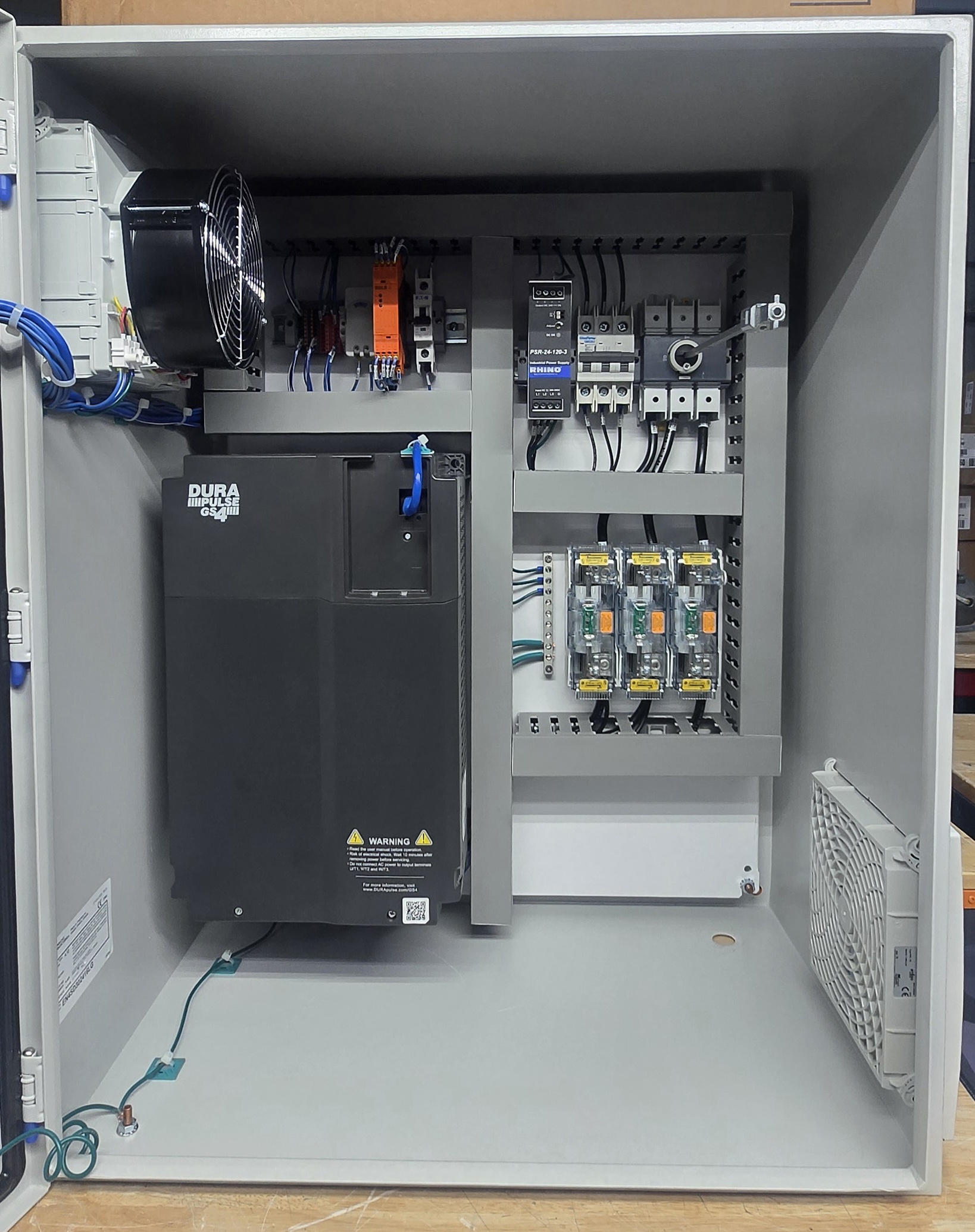
Specifying Equipment the Right Way
For OEM procurement and plant standards, the strongest specifications usually avoid false either-or language. Instead of simply writing “panel shall comply with UL 508A” or “machine shall meet NFPA 79,” the better approach is to state the requirement in system terms: the control panel shall be built and labeled through an appropriate UL 508A pathway where required, and the machinery electrical system shall be designed in accordance with NFPA 79 and applicable code requirements. This aligns with how UL and NFPA describe the separate roles of the panel and the machine. UL Solutions NFPA
For plants standardizing equipment purchases, this is also where panel shop standards become a sourcing filter. A qualified UL 508A panel shop brings manufacturing discipline and recognizable certification practices. That does not replace machine-level engineering, but it materially improves the starting point.
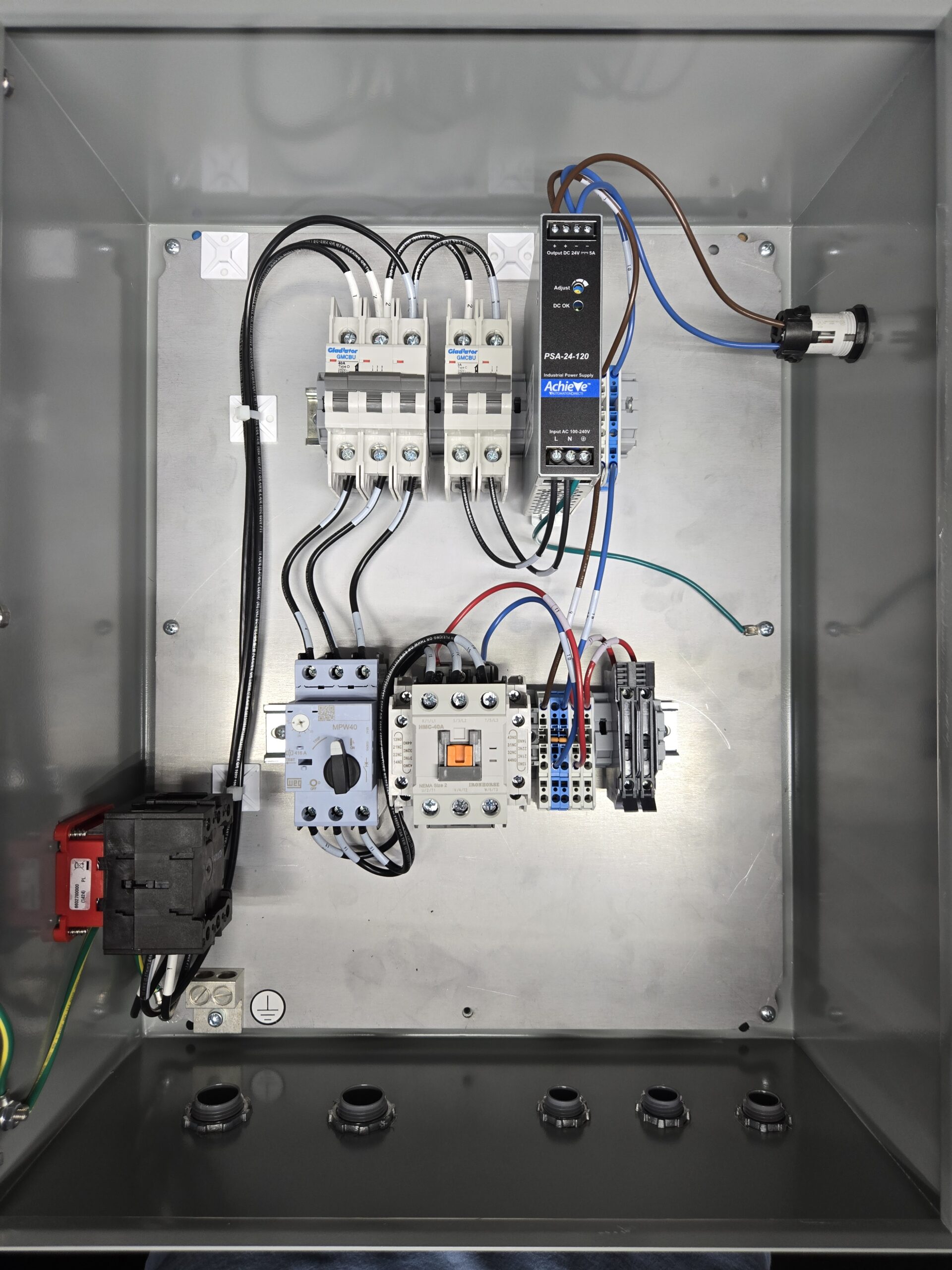
Recommended Checklist for OEMs and Plant Engineers
Before approving a control panel or machine package, ask:
- Is this a standalone industrial control panel, or is it part of an industrial machine?
- Has the panel been built through a recognized UL 508A compliance process where appropriate?
- Is the machine’s internal electrical design being evaluated against NFPA 79 expectations from the point where supply conductors terminate inside the machine?
- Are SCCR, protective devices, markings, enclosure ratings, and documentation clearly established?
- Has the OEM or panel shop demonstrated qualified technical oversight and repeatable build practices?
- Will the package satisfy the plant standard, the AHJ, and the insurer without field rework?
These questions reflect the themes emphasized by UL’s panel shop program, NFPA’s explanation of machinery scope, and practical field benefits identified by aeSolutions.
Conclusion
The best way to educate engineers on UL 508A vs NFPA 79 is to stop framing them as substitutes. They solve different parts of the same industrial problem. UL 508A compliance is about building and labeling the control panel correctly. NFPA 79 control panels, more precisely the control equipment within industrial machinery, are about how the machine’s electrical system is applied to protect people, equipment, and production. Together, they form a more complete compliance and risk-reduction strategy for OEM machinery and plant installations.
For OEMs, the strategic message is clear: specify both intelligently. For Plant Engineers, the operational message is equally clear: accept neither vague labeling nor vague machine claims. Require evidence of proper panel construction and proper machinery electrical design. That is how you reduce inspection friction, downtime exposure, and lifecycle risk.