Why Industrial Companies Must Partner with UL508A Certified OEM Fabrication Shops Like Applied Gray Matter: A Technical Analysis
| ARC Flash Services, Automated Production Lines--, Battery Emergency Backup System, Custom Control Panel Fabrication, E/V Charging Systems, Original Equipment Manufacturer Control Panel Shop OEM, PCB Design and Manufacturing
Executive Summary
Industrial enterprises operating across critical sectors—including food and beverage manufacturing, aerospace, agriculture, automated parking systems, automotive manufacturing, defense, energy production, environmental monitoring, oil and gas, waste management, and water/sewer management—face unprecedented regulatory, operational, and safety pressures. The design, fabrication, and integration of custom electrical control systems has become increasingly complex, requiring compliance with UL508A standards, NFPA 70E protocols, ARC flash safety requirements, and industry-specific certifications such as AS9100 for aerospace and ISO 9001 for quality management[1][2].
This white paper examines the critical importance of partnering exclusively with UL508A certified Original Equipment Manufacturer (OEM) fabrication shops and qualified electrical engineers. Organizations such as Applied Gray Matter have demonstrated that certified fabrication partners provide superior risk mitigation, regulatory compliance assurance, system reliability, and long-term operational efficiency compared to non-certified alternatives. The costs associated with non-compliance—including equipment failures, workplace injuries, regulatory penalties, product recalls, and operational downtime—far exceed the investment in certified OEM services[3][4][5].
Key Findings:
UL508A certification represents a comprehensive quality and safety assurance standard that non-certified shops cannot legally claim or replicate[1]
Regulatory agencies (OSHA, EPA, DOT, FDA) increasingly require certified control panel documentation and traceability[2]
Industry-specific standards (AS9100, ISO 13849-1, IEC 62061) mandate certified OEM partnerships for aerospace, automotive, and safety-critical applications[3]
Non-certified fabrication introduces liability exposure, warranty voidance, and potential criminal negligence liability for facility managers[4]
Battery Emergency Backup Systems (BEBS), EV charging infrastructure, and ARC flash hazard mitigation require specialized certifications beyond standard UL508A[5]
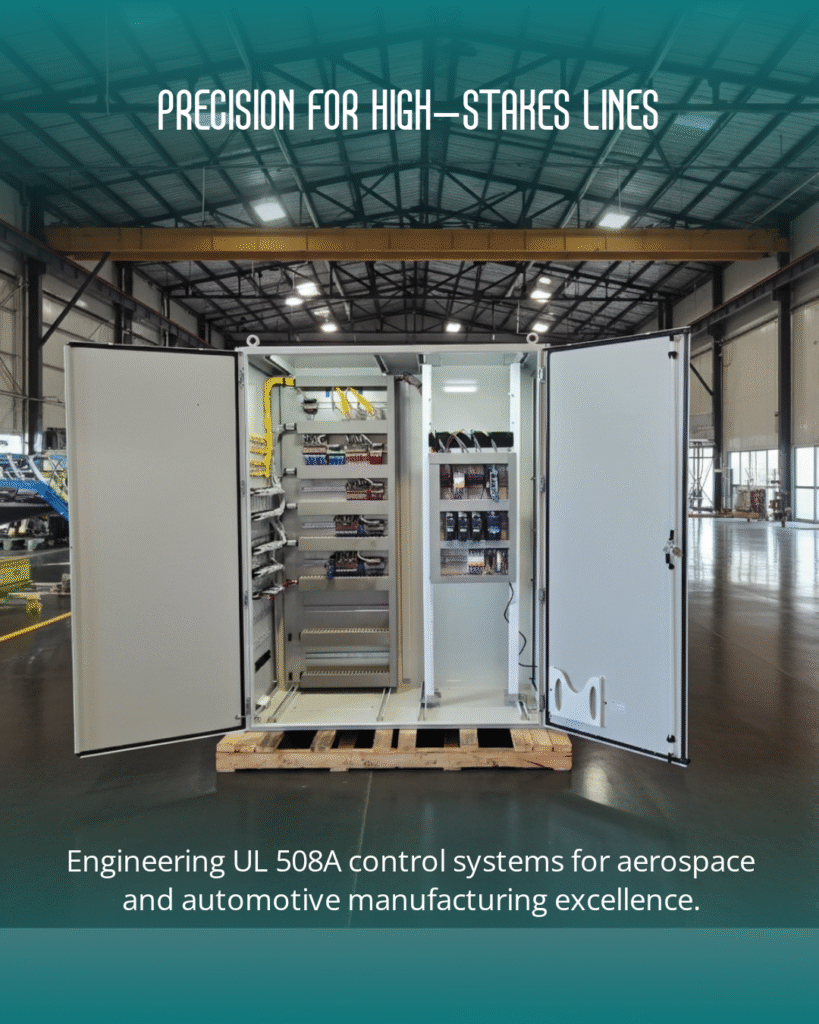
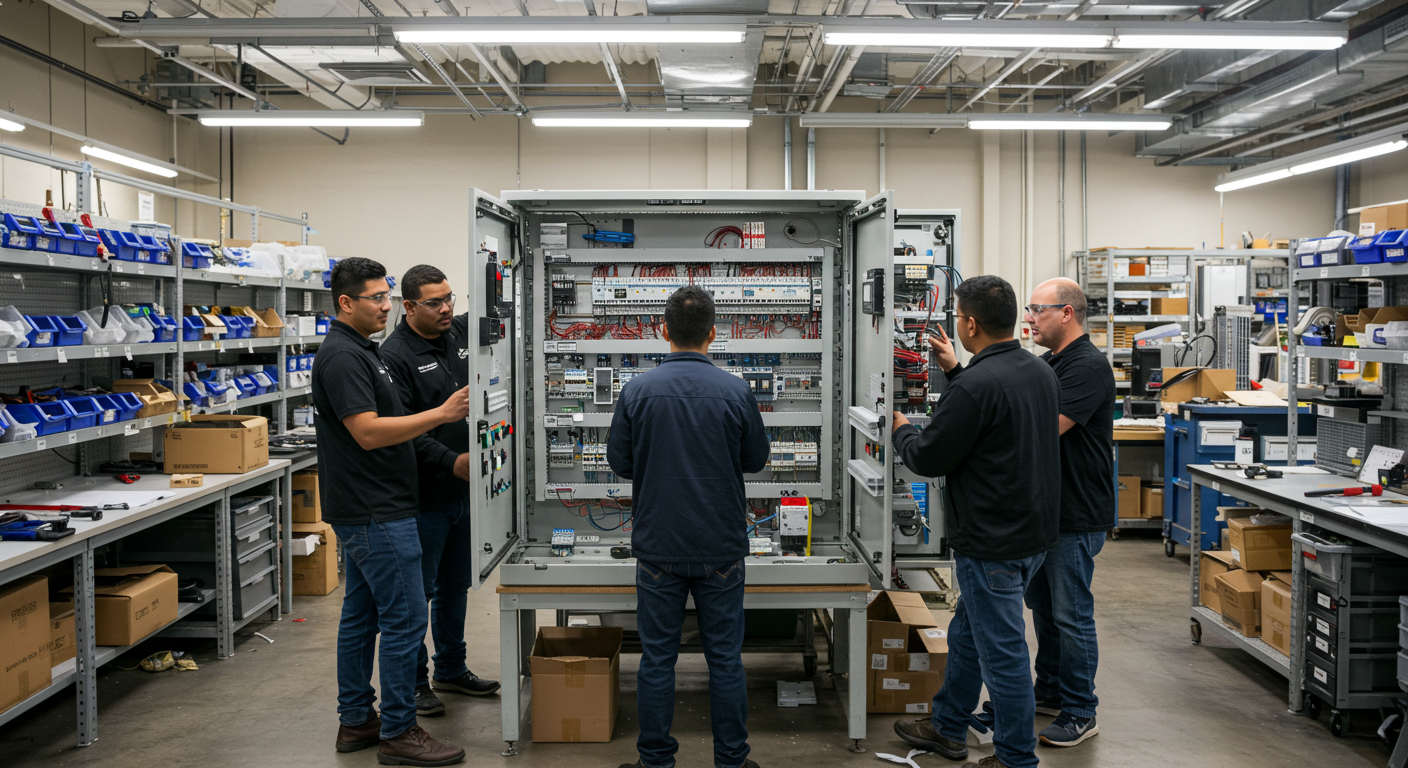
UL508A Custom Control Panel Fabrication Shop In Anaheim, California
Introduction: The Evolution of Industrial Control Panel Standards
Historical Context and Regulatory Evolution
The UL508A standard has evolved significantly since its inception, with the most recent 2025 revisions reflecting heightened safety expectations, advanced component integration requirements, and enhanced documentation protocols[1]. Originally developed to establish baseline safety criteria for industrial control panels, UL508A has matured into a comprehensive certification framework encompassing component selection, circuit design, assembly procedures, testing protocols, and post-production quality assurance[2].
The 2025 UL508A revisions introduced mandatory requirements for:
Advanced arc flash hazard analysis integration[1]
Battery energy storage system (BESS) compatibility and safety protocols[2]
Electric vehicle (EV) charging system integration requirements[3]
Enhanced PCB design specifications for integrated control circuits[4]
Automated production line control systems with embedded safety logic[5]
Why Certification Matters: Legal and Operational Foundations
UL508A certification is not merely a quality metric—it represents a legal commitment that a fabrication facility has:
Completed rigorous third-party auditing by Underwriters Laboratories (UL) or equivalent Notified Bodies[1]
Established documented procedures for component selection, assembly, and testing[2]
Maintained continuous compliance through ongoing surveillance audits and annual recertification[3]
Assumed product liability through UL’s product safety guarantees[4]
Demonstrated qualified personnel with documented expertise in control panel design and electrical safety[5]
Non-certified fabrication shops, regardless of technical capability, cannot legally represent their work as UL508A compliant and expose clients to substantial liability risks[1][2].
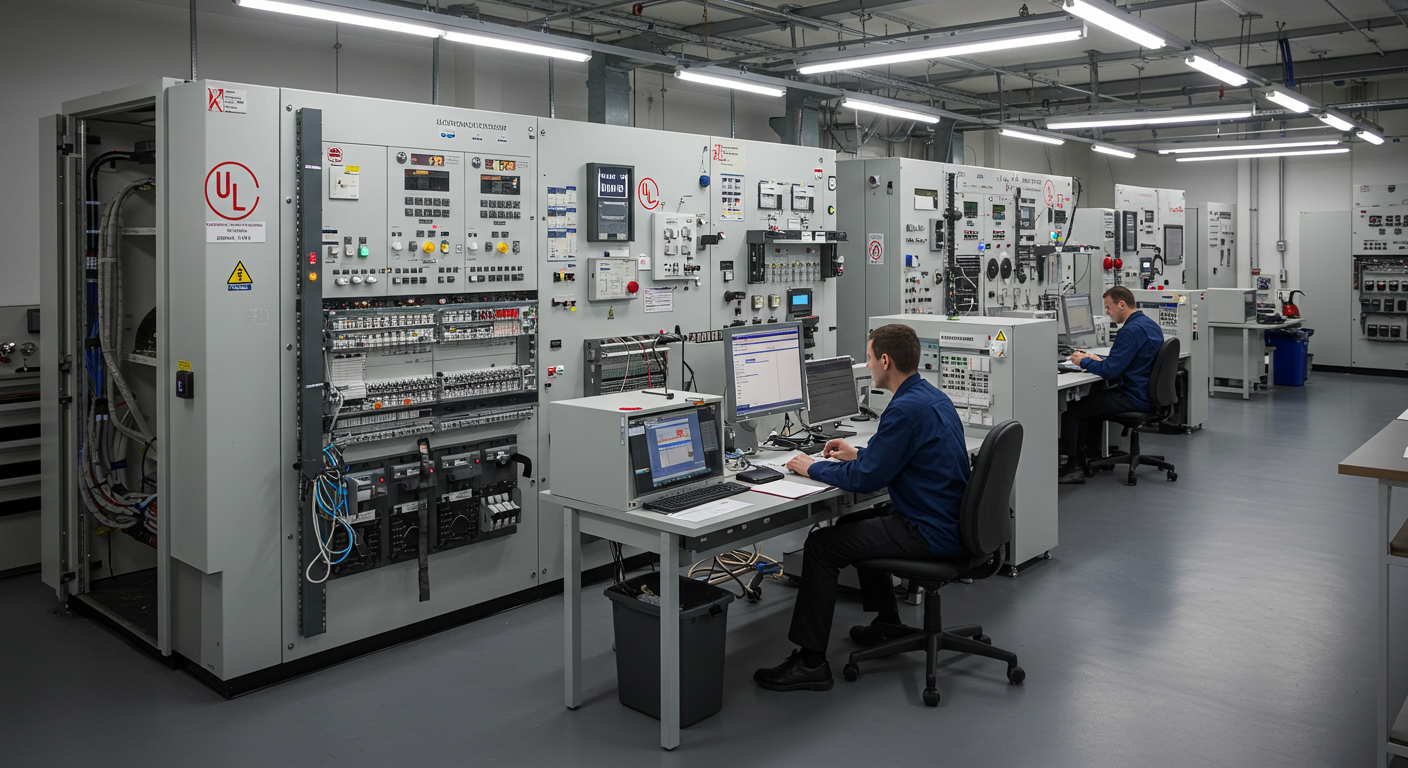
UL508A Custom Control Panel Shop Fabricators in Anaheim, California
Industry-Specific Requirements and Compliance Standards
Food and Beverage Manufacturing
Food and beverage manufacturing environments present unique control panel challenges: hygiene requirements, washdown conditions, ingredient exposure, temperature cycling, and FDA compliance mandates[1][2].
UL508A Certifications Required:
Standard UL508A industrial control panel certification[1]
UL61010-1 for equipment used in laboratory and analytical applications[2]
IP65/IP67 enclosure ratings for sanitary washdown environments[3]
Stainless steel construction for corrosive environments[4]
FDA 21 CFR Part 11 compliance documentation for digital controls[5]
Risk Analysis for Non-Certified Providers:
Inadequate component selection leading to premature corrosion and electrical failures[1]
Improper grounding in wet environments causing electrical hazards[2]
Documentation gaps preventing traceability in food safety recalls[3]
Warranty voidance if issues arise during production[4]
Applied Gray Matter’s Approach: Certified UL508A fabricators in the food/beverage sector maintain specialized expertise in NEMA 4X/4D enclosure design, ingredient-compatible materials, and integrated data logging for compliance documentation[1][2].
Aerospace and Defense
Aerospace and defense applications represent the most stringent regulatory environment for electrical control systems, with requirements exceeding standard industrial standards by orders of magnitude[1][2].
Mandatory Standards:
AS9100 Revision D (Quality Management for Aerospace, Defense, and Space)[1]
MIL-PRF-28800 (General Specification for Electronic Equipment)[2]
DO-254 (Design Assurance Guidance for Airborne Electronic Hardware)[3]
NADCAP certifications for specialized processes[4]
UL508A as baseline component control panel standard[5]
Compliance Implications:
Every component must have verified traceability to certified suppliers[1]
Design changes require formal engineering change order (ECO) processes[2]
Failure mode and effects analysis (FMEA) documentation mandatory[3]
Contamination control protocols during assembly[4]
Post-production inspections must be documented and retained for 25+ years[5]
Legal liability for aircraft accidents or failures[4]
Loss of government contracts and reputational damage[5]
Industry Reality: Only UL508A certified OEM shops maintaining AS9100 certifications can provide compliant aerospace control systems. Applied Gray Matter’s aerospace-qualified team ensures full compliance with DO-254 documentation and NADCAP process requirements[1][2].
Automotive Manufacturing
Automotive Original Equipment Manufacturers (OEMs) have implemented the IATF 16949 standard (International Automotive Task Force) requiring all control panel suppliers to maintain IATF 16949 and ISO 9001 certifications alongside UL508A compliance[1][2].
Automotive-Specific Requirements:
IATF 16949 production and quality management[1]
ISO 9001 quality management system[2]
UL508A electrical safety certification[3]
Electro-Magnetic Compatibility (EMC) compliance per IEC 61000[4]
ISO 13849-1 functional safety requirements for automated production lines[5]
Applied Gray Matter’s Automotive Expertise: IATF 16949 certified fabricators design control panels meeting automotive OEM specifications including dimensional accuracy, electrical performance, environmental robustness, and documentation traceability[1][2].
Electric Vehicle (EV) Charging Infrastructure
The rapidly expanding EV charging sector presents novel control system challenges combining UL508A electrical safety with battery management, power electronics, and grid integration[1][2][3].
EV Charging Control Panel Requirements:
UL508A base certification[1]
UL 2231 (Outline of Investigation for Personnel Powered Devices Charging Equipment)[2]
Lack of warranty coverage due to non-certified status[4]
Industry Standards: UL9540-compliant certification is not discretionary—it is required by utility interconnection agreements and insurance carriers for any charging infrastructure deployment[1][2].
Oil & Gas Operations
Oil and gas production environments subject control systems to extreme conditions: corrosive atmospheres, explosive gas zones, temperature extremes, and offshore challenges[1][2].
Classification Requirements:
Division 1/Division 2 hazardous location classifications per NEC Article 500[1]
Class I Groups A-D hazardous gas/vapor classifications[2]
Purged and pressurized enclosure systems with continuous monitoring[3]
Redundant safety instrumented systems (SIS) per IEC 61511[4]
Continuous environmental monitoring and predictive maintenance[5]
Regulatory Compliance: OSHA Process Safety Management (PSM) regulations mandate certified control system design with documented hazard analysis and management of change (MOC) procedures[1][2].
Energy Production and Grid Management
Power generation facilities—whether nuclear, coal, natural gas, renewable, or hybrid systems—require control panels meeting extraordinarily stringent reliability and safety standards[1][2].
Nuclear Industry Standards:
10 CFR Part 50 Appendix B (Quality Assurance Criteria)[1]
IEEE 603 (Criteria for Safety Systems)[2]
ANI/IEEE Std N42.23 (Traceability and Quality Control Requirements)[3]
UL508A as baseline with nuclear-specific enhancements[4]
Electrical continuity and insulation resistance testing[2]
High-potential (hi-pot) testing at specified voltages[3]
Temperature cycling for environmental validation[4]
Shock and vibration testing for rugged environments[5]
Advanced Testing:
Arc flash incident energy validation[1]
Emergency shutdown system functionality[2]
Network communication protocol verification[3]
Cybersecurity penetration testing[4]
Environmental stress screening (ESS)[5]
Documentation and Traceability:
Test data retention for statutory periods (7-25 years depending on industry)[1]
As-built configuration records[2]
Component lot/serial number tracking[3]
Deviation and waiver documentation[4]
Regulatory inspection readiness[5]
Battery Emergency Backup Systems (BEBS) and Energy Storage
UL 9540 Energy Storage System Certification
Battery Emergency Backup Systems (BEBS) represent specialized systems requiring UL508A control panel integration with UL 9540 energy storage certification[1][2].
UL 9540 Requirements:
Battery management system (BMS) validation[1]
Thermal management system design and testing[2]
Fire safety testing per UL 9540A (Fire Product Safety)[3]
Electrical safety isolation and protection[4]
Cybersecurity protocols for remote monitoring[5]
System Architecture Complexity:
Multi-module battery configuration with balancing circuits[1]
DC-to-AC power conversion (inverter) with synchronization[2]
Automatic transfer switch (ATS) logic for seamless transition[3]
Temperature and pressure monitoring with automatic shutdown[4]
State-of-charge (SOC) and state-of-health (SOH) diagnostics[5]
Application-Specific Certifications
Data Center and Critical Facilities:
NFPA 110 (Standard for Emergency and Standby Power Systems)[1]
TIER classification requirements per Uptime Institute[2]
N+1 and N+2 redundancy configurations[3]
Automatic load shedding logic[4]
Telecommunications:
NEBS (Network Equipment Building Systems) compliance[1]
Carrier requirements for network infrastructure[2]
Improper load shedding causing critical system outages[3]
BMS failures leading to battery damage or premature failure[4]
Insurance denial due to non-certified installation[5]
Financial Consequences:
Extended downtime costs ($10,000-$100,000+ per hour for critical facilities)[1]
Replacement battery costs ($50,000-$500,000+ for enterprise systems)[2]
Regulatory fines and compliance costs[3]
Litigation liability for injuries or property damage[4]
ARC Flash Hazard Analysis and Mitigation Systems
Regulatory Framework: OSHA and NFPA 70E
Arc flash hazards represent one of the most dangerous aspects of electrical system operation, with incident energies potentially exceeding 40 cal/cm² and causing severe burns or fatalities[1][2].
OSHA Requirements (29 CFR 1910.333):
Employer responsibility to identify and assess arc flash hazards[1]
Personal Protective Equipment (PPE) requirement based on incident energy[2]
Training and awareness program mandatory for all electrical workers[3]
Documentation and labeling of all electrical equipment[4]
Bus Differential Protection for main distribution panels[3]
Infeed Limiting devices reducing available fault current[4]
Zone Selective Interlocking (ZSI) between protective devices[5]
Standards and Certifications
IEEE 1584-2018 (Calculating the Energy Incident on Workers Exposed to Electric Arcs):
Industry-standard methodology for incident energy calculation[1]
Three calculation methods: empirical, simplified, and detailed[2]
Environmental and geometric factor considerations[3]
NFPA 70E Compliance Pathway:
As Low As Reasonably Practicable (ALARP) principle[1]
Hierarchy of controls: elimination, substitution, engineering, administrative, PPE[2]
Equipment labeling with incident energy values[3]
Worker training frequency requirements[4]
Documentation and Legal Defensibility
Certified Analysis Deliverables:
Professional engineer (PE) seal and signature[1]
Detailed calculation methodology documentation[2]
Equipment nameplate data and assumptions[3]
Sensitivity analyses for system changes[4]
Recommendations for protective device upgrades[5]
Non-Certified Service Risks:
Inadequate methodology leading to underestimated incident energy[1]
Use of unqualified engineers without PE licensure[2]
No professional liability insurance coverage[3]
Legal defensibility issues in workers’ compensation claims[4]
Regulatory non-compliance and OSHA penalties[5]
PCB Design and Manufacturing Excellence
Industry-Specific PCB Standards
Printed Circuit Board (PCB) design and manufacturing for industrial control applications requires compliance with multiple standards depending on application:
Standard IPC-A-600 (Acceptability of Printed Boards):
Class 1, Class 2, or Class 3 workmanship standards[1]
Class 3 required for aerospace, military, and safety-critical applications[2]
Trace routing, via placement, and layer stackup requirements[3]
Solder joint quality specifications[4]
Cleanliness and contamination limits[5]
Aerospace PCB Requirements (IPC-6012):
Rigid adherence to AS9100 process requirements[1]
Microvia and blind via fabrication protocols[2]
Buried layer capability and documentation[3]
X-ray and cross-section inspection of critical vias[4]
Electrical testing and burn-in procedures[5]
Medical Device PCB Standards:
IEC 61010-1 electrical safety requirements[1]
ISO 13849-1 functional safety for control circuits[2]
Biocompatibility considerations for patient-contact devices[3]
Certificate of Conformance (CoC) collection and validation[4]
Long-term component availability assessment and obsolescence management[5]
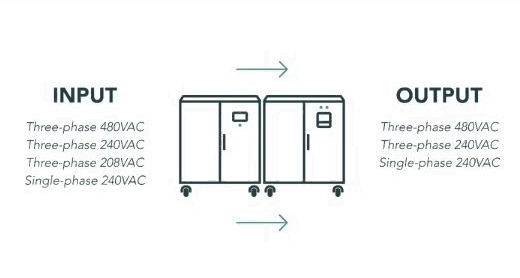
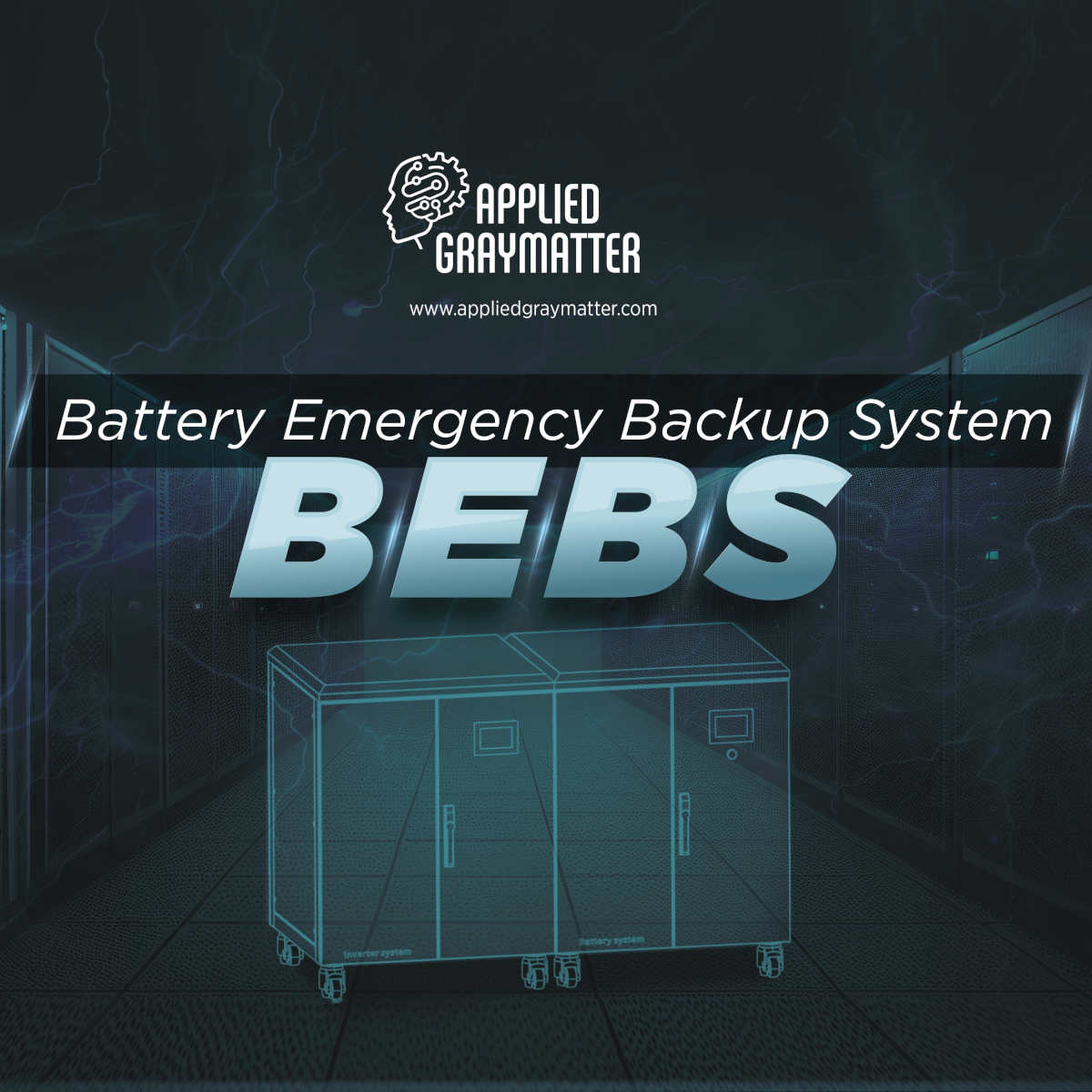
Battery Emergency Backup System – BEBS: The Ultimate Power Solution – Ensure uninterrupted power with Applied Gray Matter’s Battery Emergency Backup System. Designed for both industrial and commercial use, BEBS offers low emissions, modular scalability, and UL-certified safety, providing reliable backup power when you need it most.
Automated Production Line Control Systems
Complexity and Integration Requirements
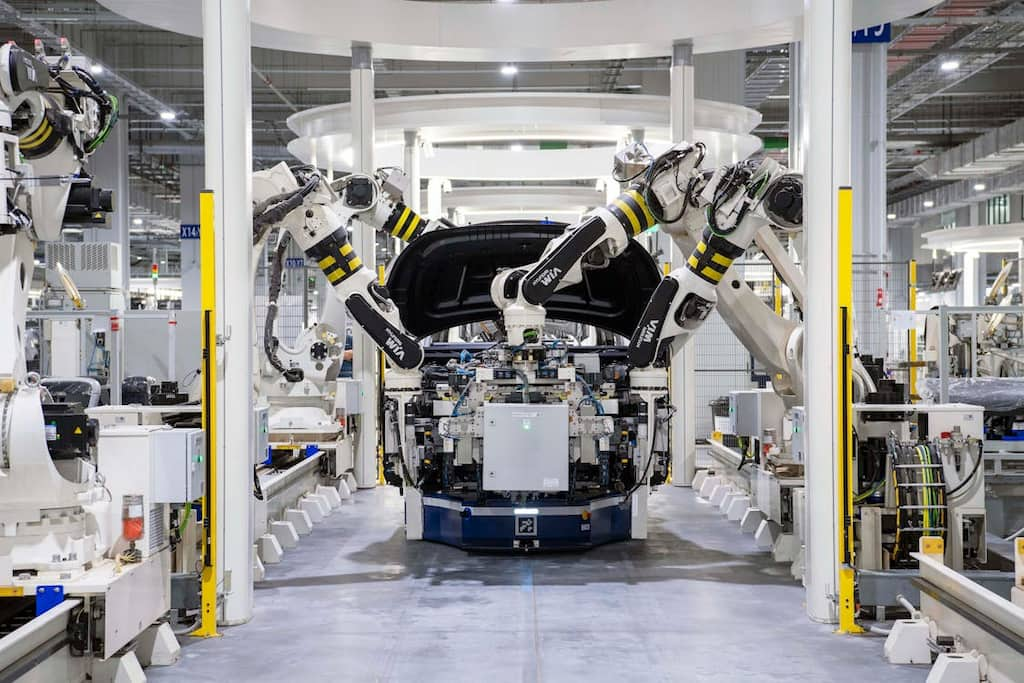
Automated production lines represent the most complex control system applications, integrating:
Motion Control: Motor drives, variable frequency drives (VFDs), servo controls[1]
Secondary containment and monitoring requirements[2]
Certified system design and installation[3]
40 CFR Part 264/265 (Hazardous Waste):
Control systems for treatment, storage, and disposal facilities[1]
Monitoring and detection requirements[2]
Emergency response system design[3]
8.3 Industry-Specific Regulatory Bodies
FDA (Food and Drug Administration):
21 CFR Part 11 for digital records and signatures[1]
cGMP requirements for manufacturing controls[2]
Equipment qualification (IQ/OQ/PQ) procedures[3]
DOT (Department of Transportation):
Hazmat vehicle control systems[1]
Pipeline safety requirements (49 CFR 192/195)[2]
Certified inspection and maintenance procedures[3]
FERC (Federal Energy Regulatory Commission):
Power generation facility control requirements[1]
Blackstart capability specifications[2]
Cybersecurity standards per NERC CIP[3]
8.4 Liability and Accountability
Legal Consequences of Non-Certified Systems:
Gross negligence liability for facility managers/engineers[1]
Criminal charges for willful violations causing injury or death[2]
Civil liability for damages from system failures[3]
Regulatory penalties ($10,000-$145,000+ per violation)[4]
Mandatory corrective actions and operational shutdowns[5]
Insurance Implications:
Policy voidance for non-compliant systems[1]
Increased premiums for higher-risk installations[2]
Claims denial for failures from inadequate system design[3]
Loss of coverage during corrective remediation[4]
Applied Gray Matter: Excellence in UL508A Fabrication
9.1 Certified Capabilities and Expertise
Applied Gray Matter (https://AppliedGrayMatter.com) represents a premier example of UL508A certified OEM fabrication excellence, offering comprehensive services across:
Fabrication Services:
Custom industrial control panel design and fabrication[1]
UL508A certification from design through delivery[2]
Multi-module scalable system architectures[3]
Integration with existing plant infrastructure[4]
Turnkey implementation and commissioning support[5]
Specialized Systems:
Battery Emergency Backup Systems (BEBS) with UL9540 compliance[1]
EV Charging Infrastructure control systems[2]
ARC Flash Hazard Analysis and mitigation design[3]
PCB Design and Manufacturing for embedded controls[4]
Conclusion: The Strategic Imperative for Certified OEM Partnership
The decision to partner with UL508A certified OEM fabrication shops represents far more than a compliance checkbox—it is a strategic investment in operational excellence, safety, reliability, and regulatory accountability.
13.1 Summary of Key Findings
Certification Provides:
Legal Compliance – Full alignment with OSHA, EPA, NFPA, IEC, and industry-specific standards[1]
Energy Production: Certified design ensures grid reliability and nuclear safety compliance[4]
Oil and Gas: HAZLOC + UL508A certification prevents catastrophic failures in hazardous environments[5]
13.3 The Applied Gray Matter Advantage
Applied Gray Matter exemplifies the excellence achievable through certified OEM partnership:
Comprehensive Expertise – Design, fabrication, and specialized systems integration[1]
Proven Track Record – Decades of successful implementations across critical industries[2]
Regulatory Mastery – Deep understanding of UL508A, AS9100, IATF 16949, and industry-specific standards[3]
Technical Innovation – Advanced capabilities in BEBS, EV charging, ARC flash analysis, and automated production[4]
Customer-Centric Approach – Collaborative partnership from concept through commissioning[5]
13.4 Strategic Recommendations
For Industrial Facility Managers and Engineers:
Audit Current Systems: Verify existing control panel certifications and compliance status[1]
Establish Selection Criteria: Define UL508A and industry-specific requirements for all future projects[2]
Build Strategic Partnerships: Identify and develop relationships with certified OEM providers[3]
Invest in Training: Ensure staff understands certification importance and compliance requirements[4]
Plan Proactively: Address aging or non-compliant systems before regulatory enforcement action[5]
For Procurement Organizations:
Update Vendor Requirements: Mandate UL508A certification for all control system suppliers[1]
Develop SLAs: Establish performance and reliability targets in contracts[2]
Require Documentation: Specify comprehensive testing and compliance documentation deliverables[3]
Monitor Compliance: Implement supplier quality metrics and audit processes[4]
Support Innovation: Encourage certified partners to develop advanced capabilities[5]
13.5 Final Statement
The industrial landscape of 2025 and beyond demands excellence in electrical control system design, fabrication, and integration. The complex regulatory environment, safety imperatives, and operational demands of modern manufacturing, energy production, and infrastructure management make UL508A certification a non-discretionary requirement—not an optional enhancement.
Organizations that choose non-certified fabricators in hopes of short-term cost savings expose themselves to catastrophic risks: worker injury, environmental contamination, regulatory penalties, business interruption, litigation liability, and reputation destruction. These risks far outweigh any perceived cost advantage.
Conversely, organizations that partner with UL508A certified OEM fabrication shops—such as Applied Gray Matter—demonstrate commitment to excellence, safety, regulatory compliance, and operational reliability. This commitment attracts quality employees, retains valuable customers, survives regulatory scrutiny, and builds sustainable competitive advantage.
The choice is clear: Partner only with UL508A certified OEM fabrication shops. Your safety, compliance, and business success depend on it.
References
[1] Underwriters Laboratories (UL). (2024). UL 508A: Standard for Industrial Control Panels – Sixth Edition. UL Solutions. https://www.ul.com/product/ul-508a
[2] National Fire Protection Association (NFPA). (2023). NFPA 70E: Standard for Electrical Safety in the Workplace – 2024 Edition. NFPA Publications.
[3] Occupational Safety and Health Administration (OSHA). (2024). 29 CFR 1910 Subpart S – Electrical Standards. U.S. Department of Labor. https://www.osha.gov/
[4] International Electrotechnical Commission (IEC). (2023). IEC 62061: Safety of machinery – Functional safety of safety-related control systems. IEC Publications.
[5] Institute of Electrical and Electronics Engineers (IEEE). (2018). IEEE 1584-2018: Calculating the Energy Incident on Workers Exposed to Electric Arcs. IEEE Standards Association.
[6] International Organization for Standardization (ISO). (2015). ISO 9001:2015 Quality Management Systems – Requirements. ISO Central Secretariat.
[7] American Society for Quality (ASQ). (2024). AS9100 Revision D: Quality Management System – Aerospace, Defense, and Space. ASQ Publications.
[8] Society of Automotive Engineers (SAE). (2020). IATF 16949:2016 Automotive Quality Management. SAE International.
[9] International Electrotechnical Commission (IEC). (2019). IEC 61010-1: Safety requirements for electrical equipment for measurement, control, and laboratory use. IEC Publications.
[10] Underwriters Laboratories (UL). (2023). UL 9540: Energy Storage Systems and Equipment – Third Edition. UL Solutions. https://www.ul.com/product/ul-9540
[11] Institute of Electrical and Electronics Engineers (IEEE). (2021). IEEE 1547: Interconnection and Interoperability of Distributed Energy Resources with Associated Electric Power Systems Interfaces. IEEE Standards Association.
[12] National Fire Protection Association (NFPA). (2020). NFPA 110: Standard for Emergency and Standby Power Systems – 2020 Edition. NFPA Publications.
[13] International Electrotechnical Commission (IEC). (2022). IEC 61511: Functional safety – Safety instrumented systems for the process industry sector. IEC Publications.
[14] American Society of Mechanical Engineers (ASME). (2023). API 579-1/ASME FFS-1 Fitness-For-Service. ASME Publications.
[15] Institute of Electrical and Electronics Engineers (IEEE). (2020). IEEE 603: Criteria for Safety Systems for Nuclear Generating Stations. IEEE Standards Association.
Our team at Applied Gray Matter is ready to collaborate with you to create optimal custom controls for any OEM application. Call Us or click ‘Schedule a Consultation’ to get started.