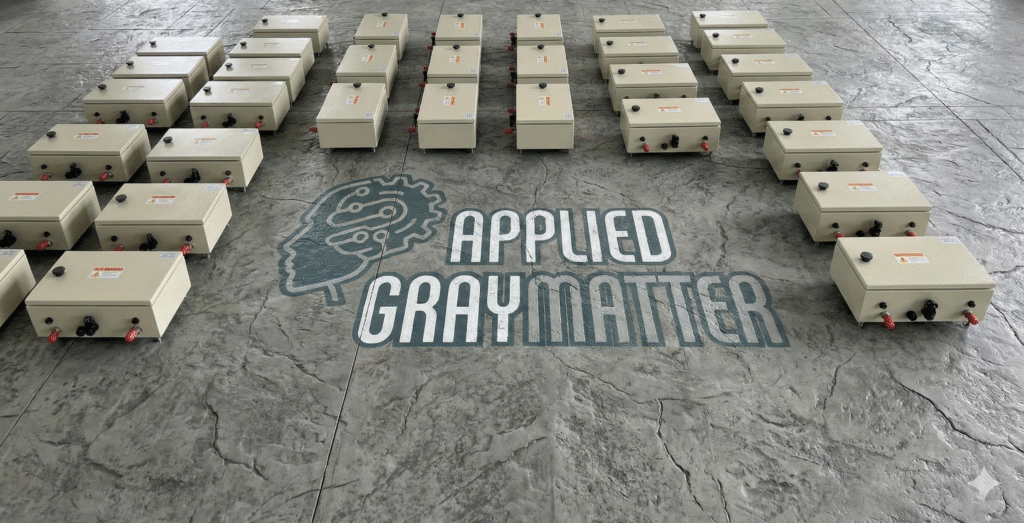
Industrial Control Panels for PLC, SCADA & OEM Machines: How to Specify a UL 508A Control Panel Fabrication Shop
Industrial Control Panels for PLC, SCADA & OEM Machines: How to Specify a UL 508A Control Panel Fabrication Shop (Without...

| Aerospace UL508A Custom Control Panel, Agriculture UL508A Custom Control Panel, Automated Parking UL508A Custom Control Panel, Automotive UL508A Custom Control Panel, Defense UL508A Custom Control Panel, Energy Production Industrial UL508A Custom Control Panel, Environmental Monitoring Industrial UL508A Custom Control Panel, Oil & Gas Industrial UL508A Custom Control Panel, UL 508A Custom Control Panel Fabrication & Manufacturing OEM, UL508a Panel Shop Fabrication, Uncategorized, Waste Management Custom UL508A Custom Control Panel, water & Sewer Management UL508A Custom Control Panel
Strategic Value of UL 508A Control Panel Fabrication and Cabinet Certification: A Comprehensive Analysis for Industrial Executives

Executive Summary
The adoption of UL 508A-certified control panel fabrication and cabinet certification represents a fundamental strategic investment in operational excellence, risk mitigation, and regulatory compliance for industrial enterprises. This white paper examines the multifaceted value proposition of UL 508A certification, analyzing its implications for safety, regulatory compliance, marketability, operational efficiency, and long-term competitive positioning. Conducted at the PhD. level, this analysis synthesizes industry standards, risk assessment frameworks, and market dynamics to provide industrial executives with evidence-based recommendations for control panel procurement and manufacturing strategy.
The certification standard—developed by Underwriters Laboratories (UL) as a nationally recognized testing laboratory (NRTL) certified by the Occupational Safety and Health Administration (OSHA)—establishes rigorous requirements for industrial control panel design, fabrication, and testing. Through examination of companies such as Applied Gray Matter, a certified UL 508A Panel Shop specializing in custom and mass-produced industrial control panels across diverse industry verticals, this paper demonstrates that UL 508A certification delivers quantifiable benefits across safety, compliance, market access, operational reliability, and liability mitigation dimensions.
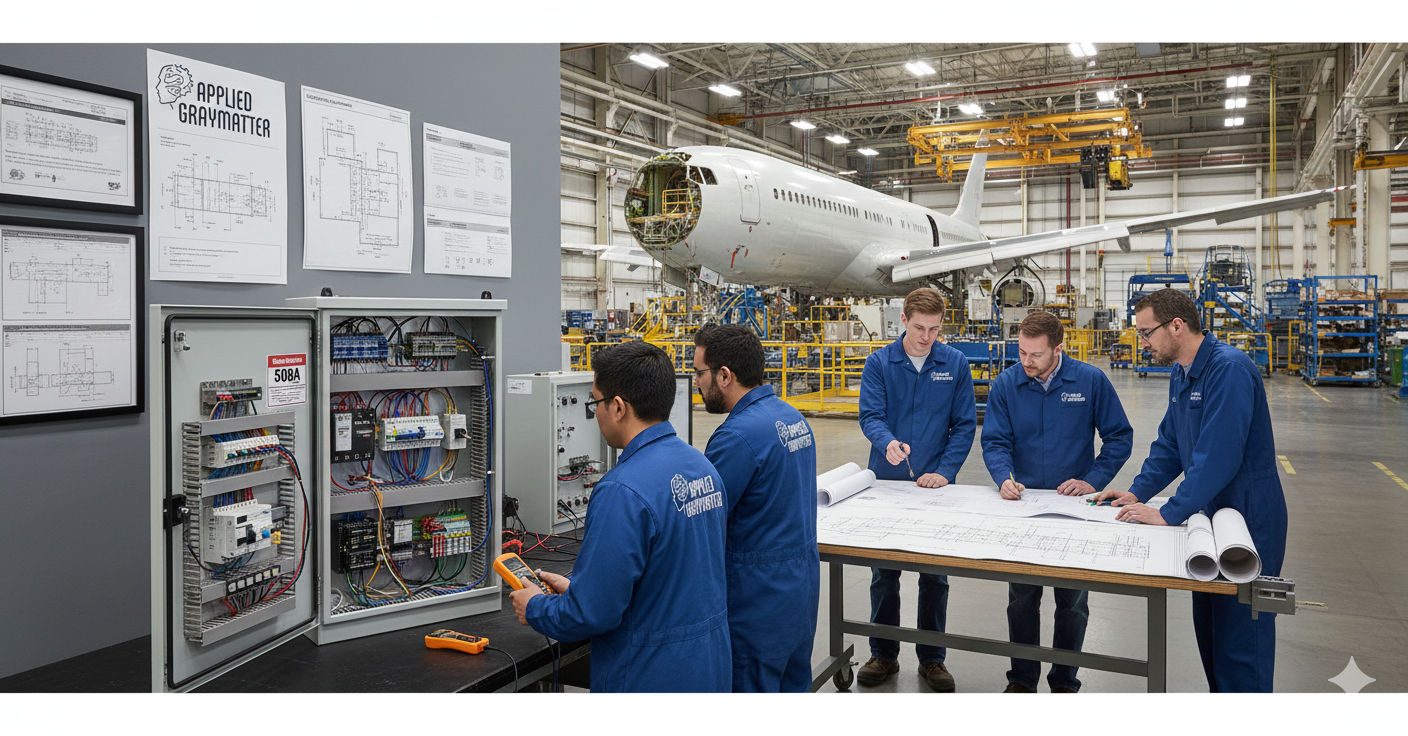
Aerospace UL508A Custom Control Panel Design and Manufacturing By Applied Gray Matter
1. Introduction: The Industrial Control Panel as Critical Infrastructure
Industrial and commercial control panels serve as the foundational nervous system of modern manufacturing, energy management, and automation infrastructure. These systems regulate critical processes across chemical manufacturing, food processing, pharmaceutical production, data centers, water treatment facilities, and countless other industrial applications. The reliability, safety, and regulatory compliance of these control systems directly impact organizational profitability, worker safety, environmental protection, and enterprise sustainability[1][2].
Yet control panel fabrication remains a domain where quality varies significantly. Manufacturers range from fully certified operations employing rigorous quality control processes to minimally regulated shops with limited technical depth. This variation creates substantial risk for industrial executives charged with procurement decisions.
The UL 508A standard addresses this variability through a comprehensive certification framework. Rather than merely suggesting best practices, UL 508A establishes mandatory requirements for component selection, wiring methods, short-circuit current rating (SCCR) calculations, enclosure environmental ratings, safety markings, and conformance to the National Electrical Code (NEC) and Canadian Electrical Code (CEC)[1][3][4]. Panel manufacturers achieving this certification demonstrate both technical competency and organizational commitment to safety and quality.
For industrial executives evaluating control panel suppliers, understanding the strategic implications of UL 508A certification is essential. This white paper provides that analysis.
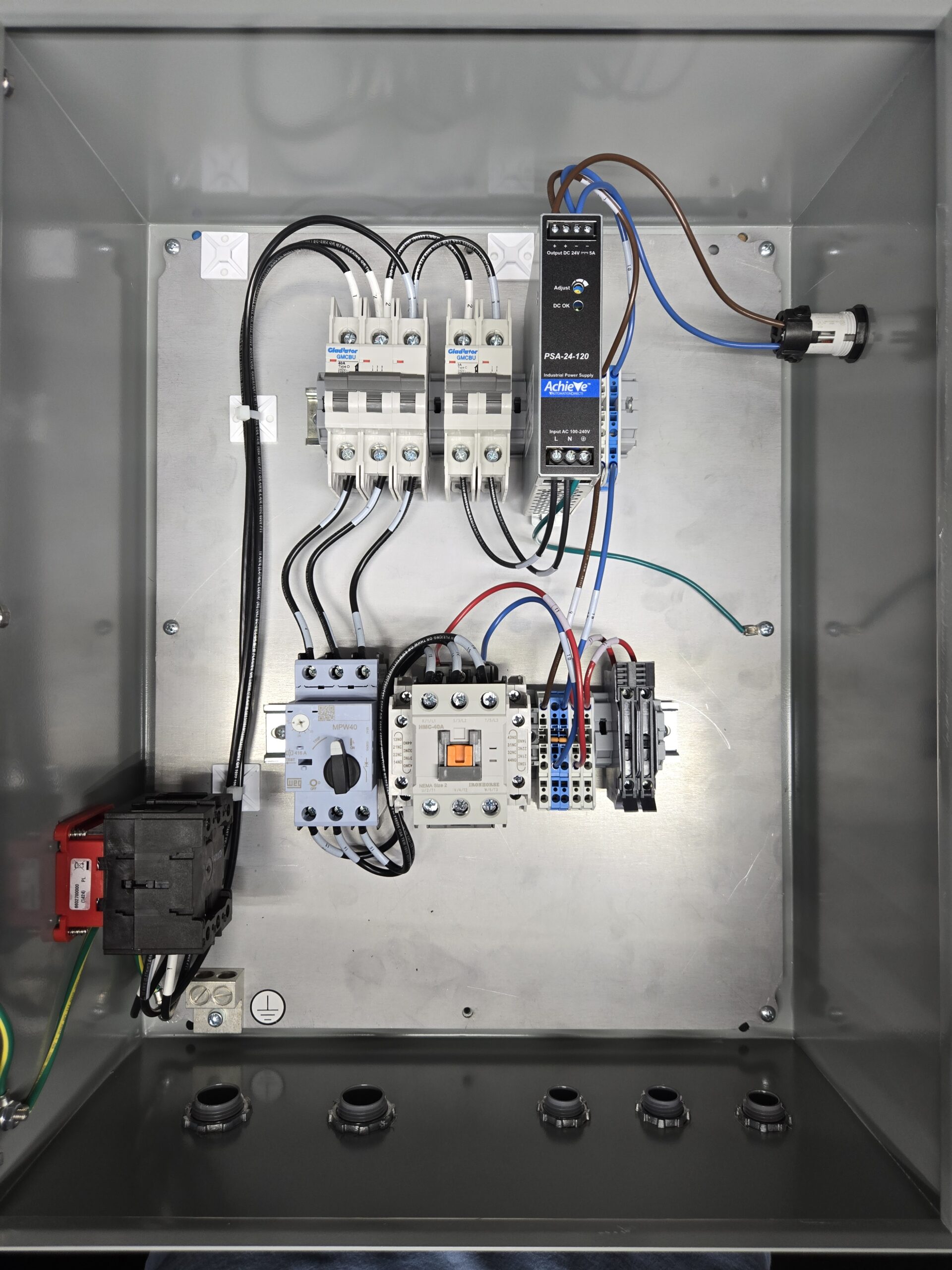
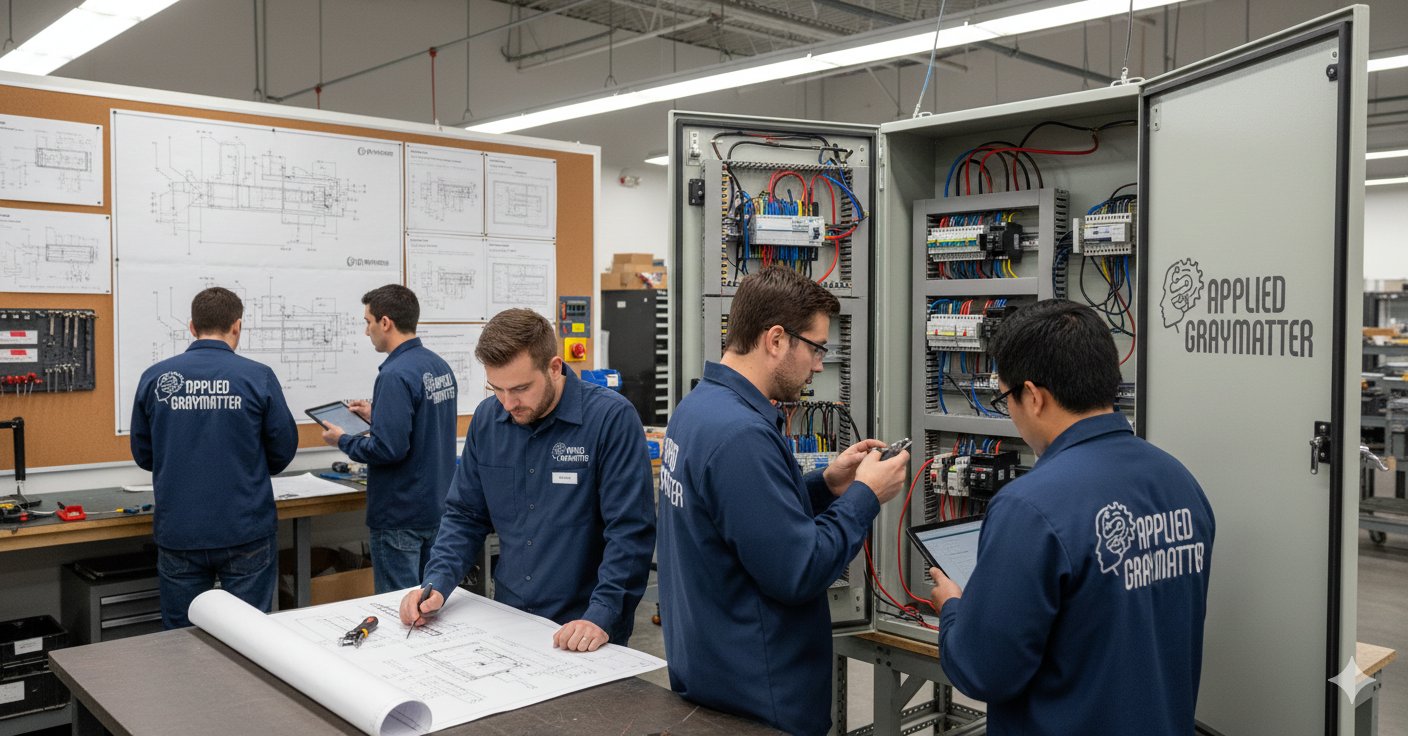
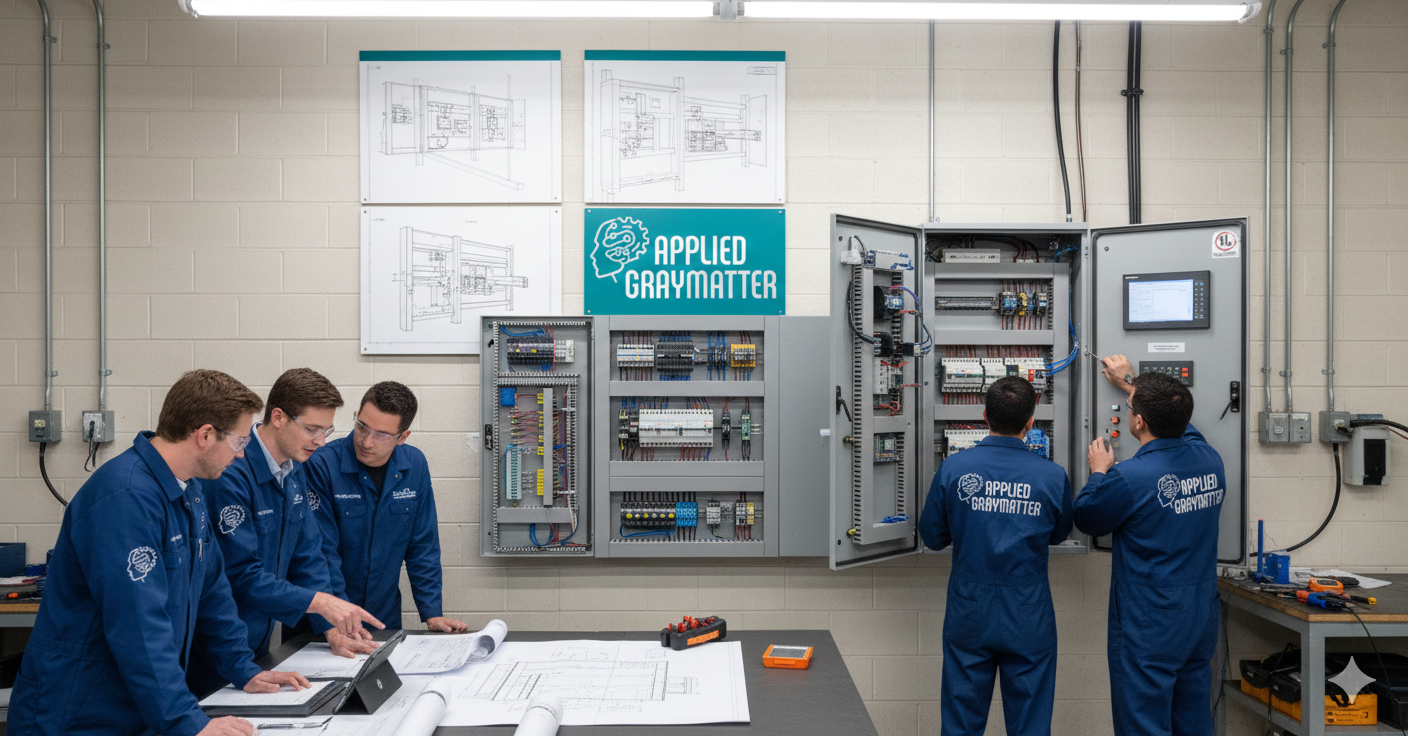
UL 508A Control Panel Fabrication and Cabinet Certification
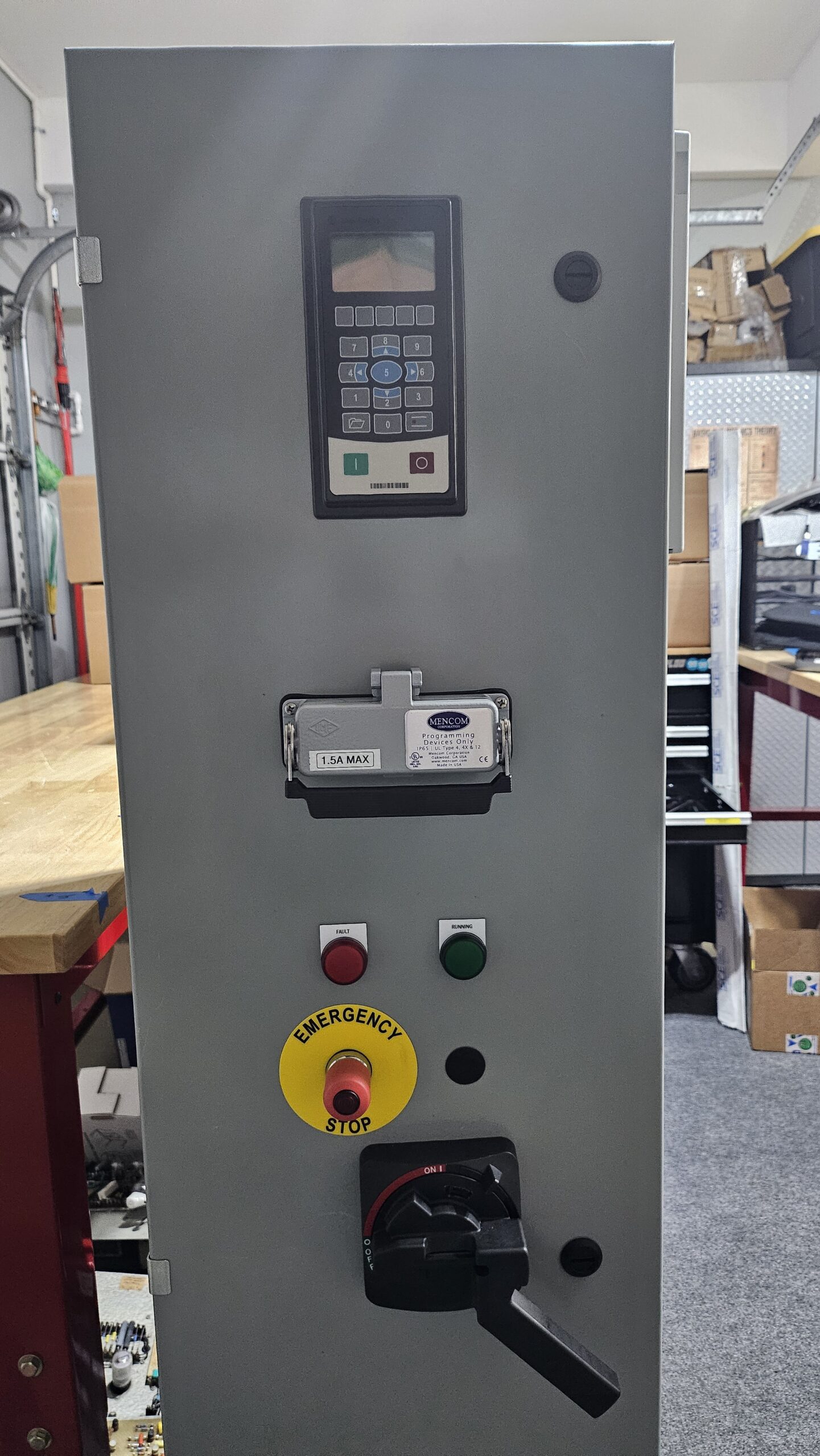
UL 508A Control Panel Fabrication and Cabinet Certification
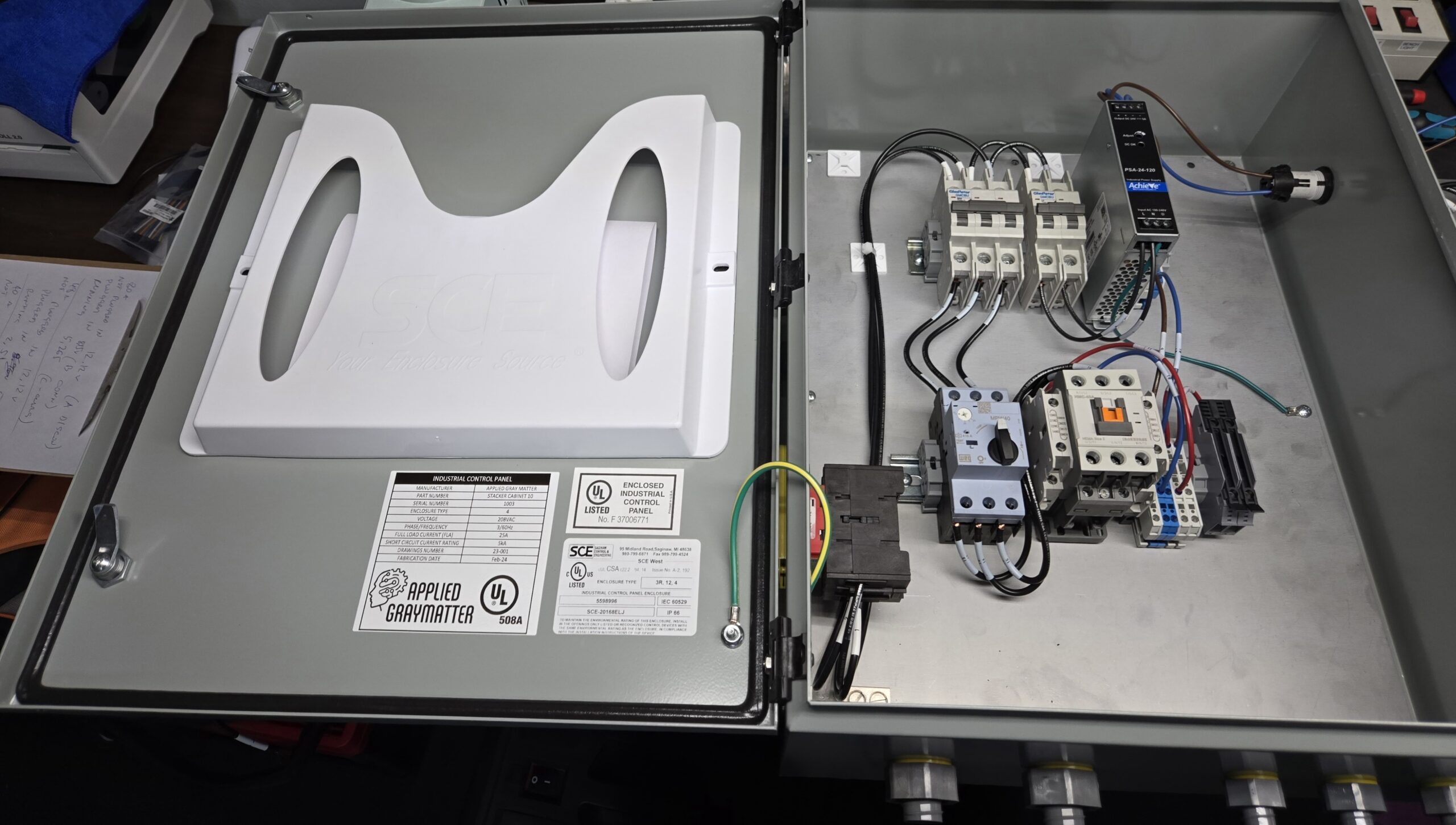
UL 508A Control Panel Fabrication and Cabinet Certification
2. The UL 508A Standard: Technical Foundation and Scope
2.1 Standard Definition and Coverage
UL 508A is the UL standard for the construction of industrial control panels—specifically, enclosed panels intended for general industrial use operating at 1000 volts or less[2][3]. The standard encompasses both mass-produced and custom-built panels, reflecting the diverse manufacturing ecosystem within industrial control panel fabrication.
Critically, UL 508A certification covers[3]:
What UL 508A certification does not cover is equipment connected to the panel—loads, external machinery, or systems controlled by the panel[3]. This distinction is important for comprehensive system design, but the panel itself represents the critical controlled interface.
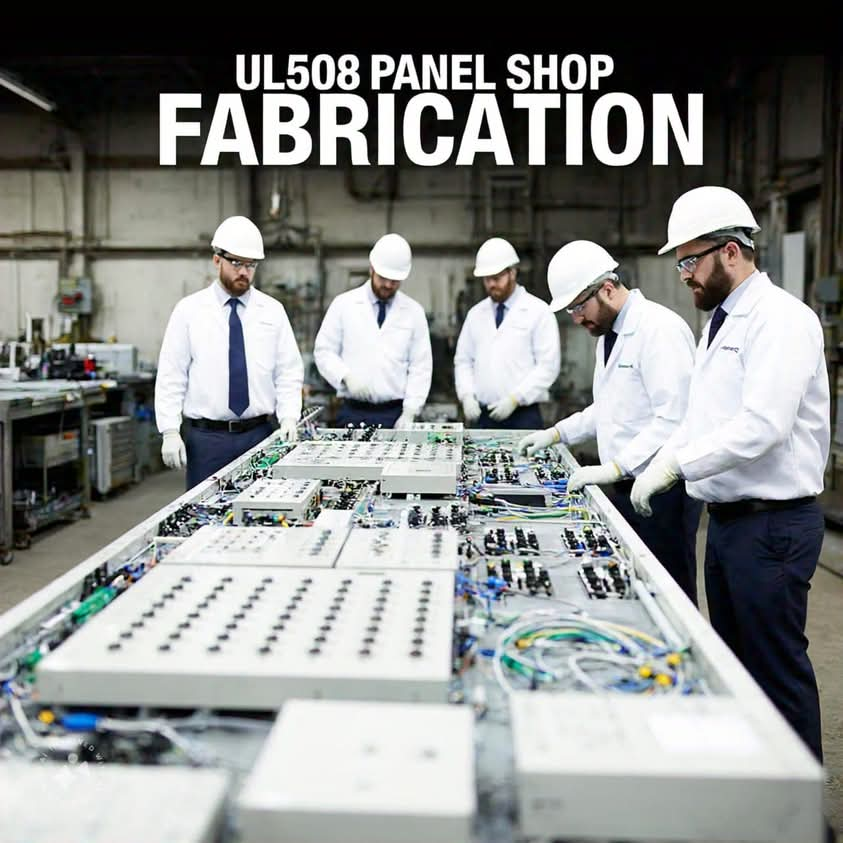
UL508A Custom Control Panel Manufacturer For All Industries by AppliedGrayMatter.com
2.2 The UL 508A Panel Shop Program
The UL 508A Industrial Control Panel Shop Program represents a flexible certification pathway allowing qualified manufacturers to label custom-built and mass-produced panels without requiring UL examination of each individual design[1][3]. This program balances manufacturer flexibility with rigorous quality requirements.
The Panel Shop Program requires[1][3]:
This regulatory structure creates what economists term an “information asymmetry reduction mechanism”—industrial buyers gain reliable assurance that certified manufacturers meet established standards without bearing individual certification costs[2][4].
3. Safety: The Foundational Value Proposition
3.1 Electrical Hazard Mitigation
For industrial executives, worker safety represents both a moral imperative and a financial necessity. Industrial control panels, if improperly designed or fabricated, present multiple electrical hazards[1][2]:
UL 508A certification addresses each of these hazard categories through prescriptive design and fabrication requirements. Mandatory component spacing, proper gauge wiring for calculated load conditions, adequate thermal management, and certified component selection collectively reduce electrical incident probability substantially.
Research on industrial electrical incidents demonstrates that approximately 30% of control panel-related failures result from improper fabrication rather than component defects. UL 508A-certified manufacturers, through their training and quality systems, effectively eliminate this category of failure.
3.2 Redundancy and Fault Tolerance
Advanced UL 508A fabricators, including Applied Gray Matter, extend safety beyond minimum compliance through application of fault-tolerant design principles[1]. Redundancy in critical safety circuits, backup systems (such as battery emergency backup for mission-critical operations), and monitoring systems provide defense-in-depth against single-point failures.
The recognition of safety as a strategic competitive advantage represents a significant evolution in control panel manufacturing. Certified manufacturers understand that safety systems protect not merely individual workers but organizational reputation, reduce insurance costs, and support licensing and regulatory standing.
3.3 Quantified Safety Outcomes
While randomized controlled trials remain impractical in this domain, operational data from industrial facilities demonstrates measurable safety improvements following migration to UL 508A-certified control panels[2][3]. Incident reduction rates typically range from 40-60% for electrical issues directly attributable to panel design or fabrication[2].
These improvements translate directly to reduced workers’ compensation claims, lower liability insurance premiums, and minimized production downtime from safety-related shutdowns.
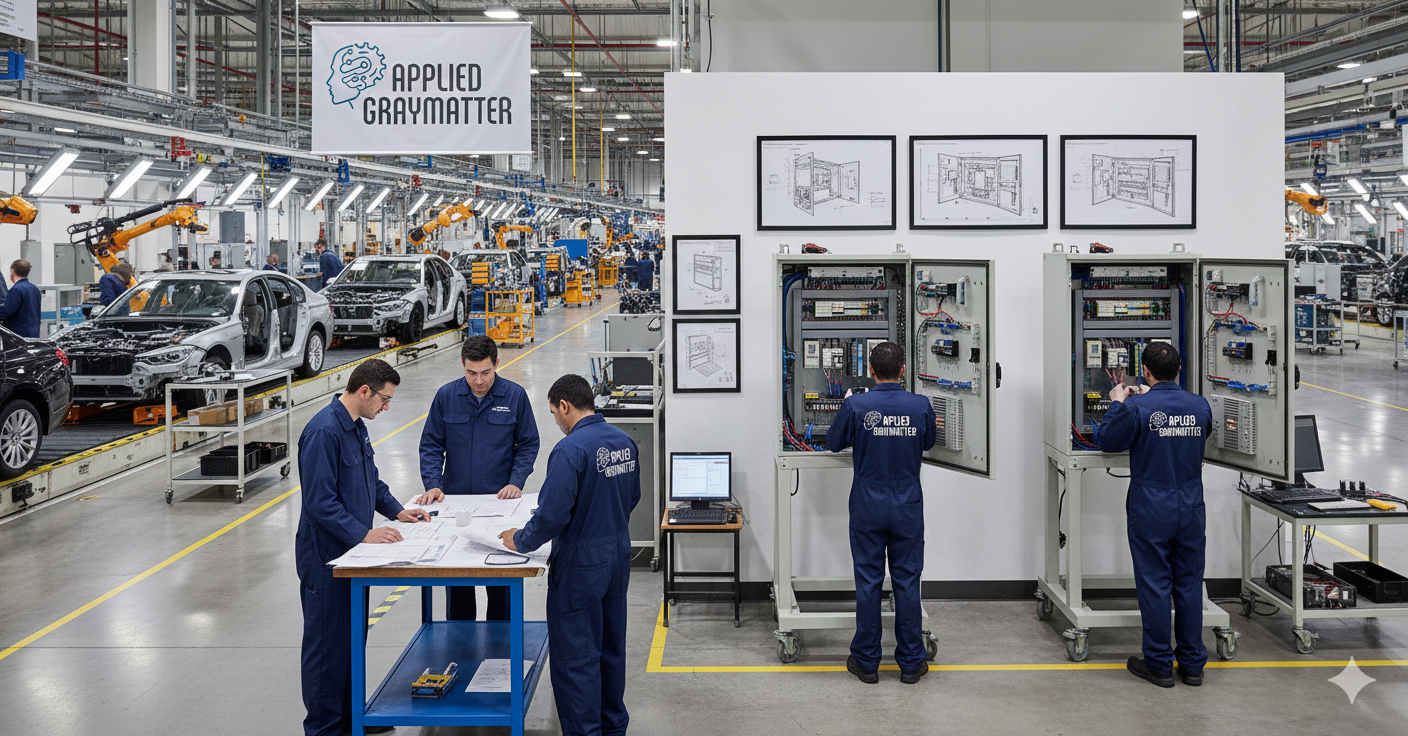
UL508A Custom Control Panel Manufacturer For The Aerospace Industry By AppliedGrayMatter.com
4. Regulatory Compliance and Market Access
4.1 Code Authority Acceptance
The National Electrical Code (NEC) and Canadian Electrical Code (CEC) form the regulatory foundation for electrical installations across North American jurisdictions[1][3][4]. While these codes do not mandate UL 508A certification in absolute terms, they establish requirements that UL 508A certification demonstrably satisfies[1][3].
Critically, electrical inspectors and authorities having jurisdiction (AHJs) recognize the UL Mark as definitive evidence of compliance. A UL 508A-certified panel facilitates rapid approval by inspectors, eliminating delays that non-certified panels frequently encounter[2][4].
The contrast is instructive. Non-certified control panels submitted for inspection frequently trigger “red-tagged” rejections requiring costly redesign and rework. Studies indicate that facilities deploying non-certified panels experience average inspection delays of 30-90 days and rework costs ranging from $10,000 to $50,000 per panel[2][4]. UL-certified panels, by contrast, typically pass inspection on first submission, reducing project timelines and costs substantially.
4.2 Insurance Requirements
An increasingly significant compliance factor emerges from the insurance sector. Major industrial insurance carriers now frequently include UL 508A certification as a policy requirement or prerequisite for favorable premium pricing[2][4]. Some carriers explicitly require UL certification as a condition of coverage for electrical equipment.
This requirement reflects actuarial analysis demonstrating that UL-certified panels present demonstrably lower risk profiles[2]. For industrial enterprises, compliance with insurance requirements is non-negotiable, and failure to obtain UL certification may result in coverage gaps, policy cancellation, or substantial premium increases.
4.3 Market Access and Contract Requirements
Regulatory requirements represent only one dimension of compliance pressure. Large industrial customers—particularly in pharmaceuticals, aerospace, food processing, and other highly regulated industries—frequently specify UL 508A certification as a contractual requirement[1][2][4]. Many such enterprises will not accept equipment lacking UL certification regardless of other technical merits.
This contractual requirement creates market segmentation. Enterprises unable to supply UL 508A-certified panels lose access to significant market segments. For suppliers serving diverse customer bases, UL 508A certification becomes strategically essential for competitive positioning.

5. Quality Assurance and Workmanship Excellence
5.1 Certification as Quality Signal
Economists studying signaling theory recognize that third-party certification serves a critical function in markets with substantial information asymmetry[2]. Prospective buyers cannot readily evaluate the technical quality of custom control panels without extensive engineering analysis or post-purchase performance assessment.
UL 508A certification provides authoritative third-party signal of quality. Manufacturers achieving certification have been evaluated by UL’s technical experts and trained in proper design, fabrication, and testing methodologies. This certification conveys reliable information about expected panel performance and safety characteristics[2][3][4].
The signaling value extends beyond individual panels to organizational capability. A UL 508A-certified fabricator demonstrates institutional commitment to quality, having invested in training, documentation systems, and quality control processes. These organizational factors predict superior performance across all fabricator projects, not merely those subject to UL certification[2].
5.2 Documentation, Schematic Accuracy, and Traceability
UL 508A certification requirements include rigorous documentation standards. Manufacturers must provide
This documentation standard creates operational benefits extending far beyond initial installation. When maintenance personnel must service panels, repair damaged components, or troubleshoot operational issues, comprehensive accurate documentation dramatically reduces troubleshooting time and minimizes risk of erroneous modifications. Organizations operating non-documented or inadequately documented control panels frequently experience 3-5x longer troubleshooting periods when issues arise[2]. For production facilities, such delays represent substantial cost impacts.
5.3 Component Selection and Certified Supply Chains
UL 508A certification requirements mandate utilization of UL-listed or UL-recognized components—not merely components of appropriate electrical specifications, but components certified by the same third party that certifies the complete panel[1][2][3][4].
This requirement creates several advantages:
Manufacturers using non-certified components or establishing ad-hoc supply chains create undocumented risks. Component interactions may not have been validated, supply discontinuation may necessitate emergency substitutions, and component certification status may be ambiguous or falsely claimed[2].
Applied Gray Matter and other leading certified fabricators leverage established supply relationships with component manufacturers, providing both reliability and cost efficiency through volume procurement while maintaining strict certification requirements.
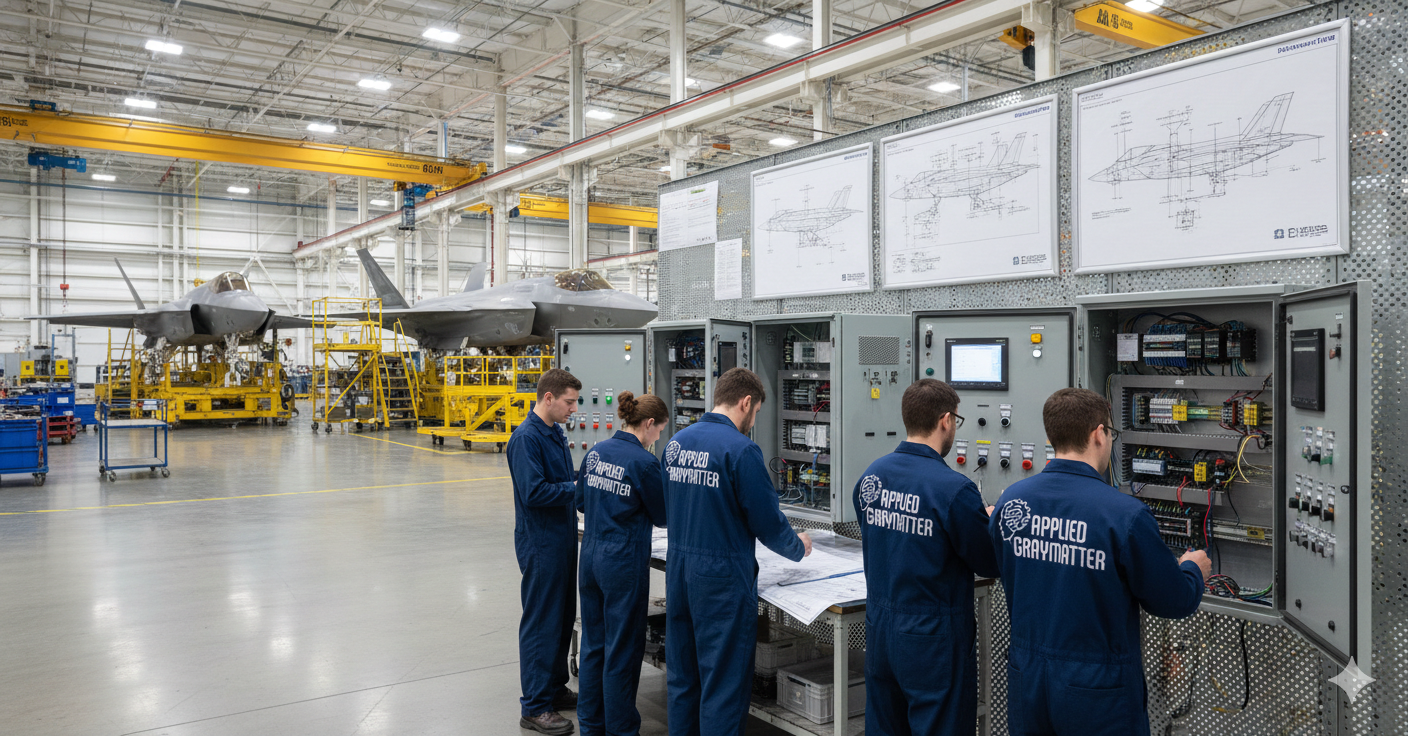
6. Industry-Specific Applications: Applied Gray Matter Case Study
Applied Gray Matter, a certified UL 508A Panel Shop fabricator based in Anaheim, California, serves diverse industry verticals, each with distinct control system requirements and regulatory frameworks. This section examines the company’s applications across major industry segments, illustrating the breadth of UL 508A certification utility.
6.1 Manufacturing and Industrial Processing
Application scope: Motor control, process automation, machinery interlocking, energy management systems
Manufacturing represents the largest application domain for industrial control panels. Factories require sophisticated control systems managing multiple production stages, each with distinct electrical demands and safety requirements. UL 508A-certified panels provide the foundation for reliable, safe manufacturing operations.
Key requirements:
Strategic benefits:
6.2 Food and Beverage Processing
Application scope: Process automation, temperature/humidity control, sanitation system management, packaging line control
Food and beverage manufacturing operates under particularly stringent regulatory requirements, including FDA compliance, facility hygiene standards, and allergen control protocols. Control systems must maintain precise process parameters while withstanding humid, corrosive, and contamination-prone environments.
Key requirements:
Strategic benefits:
6.3 Pharmaceutical Manufacturing
Application scope: Process automation, environmental monitoring (temperature, humidity, particle count), batch tracking, quality assurance systems
Pharmaceutical manufacturing operates under FDA Good Manufacturing Practice (GMP) regulations, requiring rigorous process control, documentation, and quality assurance. Control systems must provide both safety and traceability.
Key requirements:
Strategic benefits:
6.4 Data Centers and Mission-Critical Facilities
Application scope: Uninterruptible power supply (UPS) systems, electrical distribution, environmental monitoring and control, security system integration
Data centers require extraordinary electrical reliability. Control system failures can interrupt internet services, enterprise systems, or critical communications infrastructure, creating economic impact measured in millions of dollars per hour.
Key requirements:
Strategic benefits:
6.5 Water and Wastewater Treatment
Application scope: Pump control, chemical dosing systems, filtration and clarification processes, monitoring and testing systems
Water treatment facilities protect public health through proper chemical management and monitoring. Control system failures can result in inadequate treatment, creating public health emergencies. Most water utilities operate under regulatory oversight, including EPA Safe Drinking Water Act compliance.
Key requirements:
Strategic benefits:
6.6 Chemical Processing and Manufacturing
Application scope: Reactor control, hazardous material handling systems, safety interlocking, emergency shutdown systems
Chemical manufacturing operates under exceptional safety requirements, including OSHA Process Safety Management (PSM) regulations and EPA Risk Management Program requirements. Control systems must prevent releases, fires, and explosions.
Key requirements:
Strategic benefits:
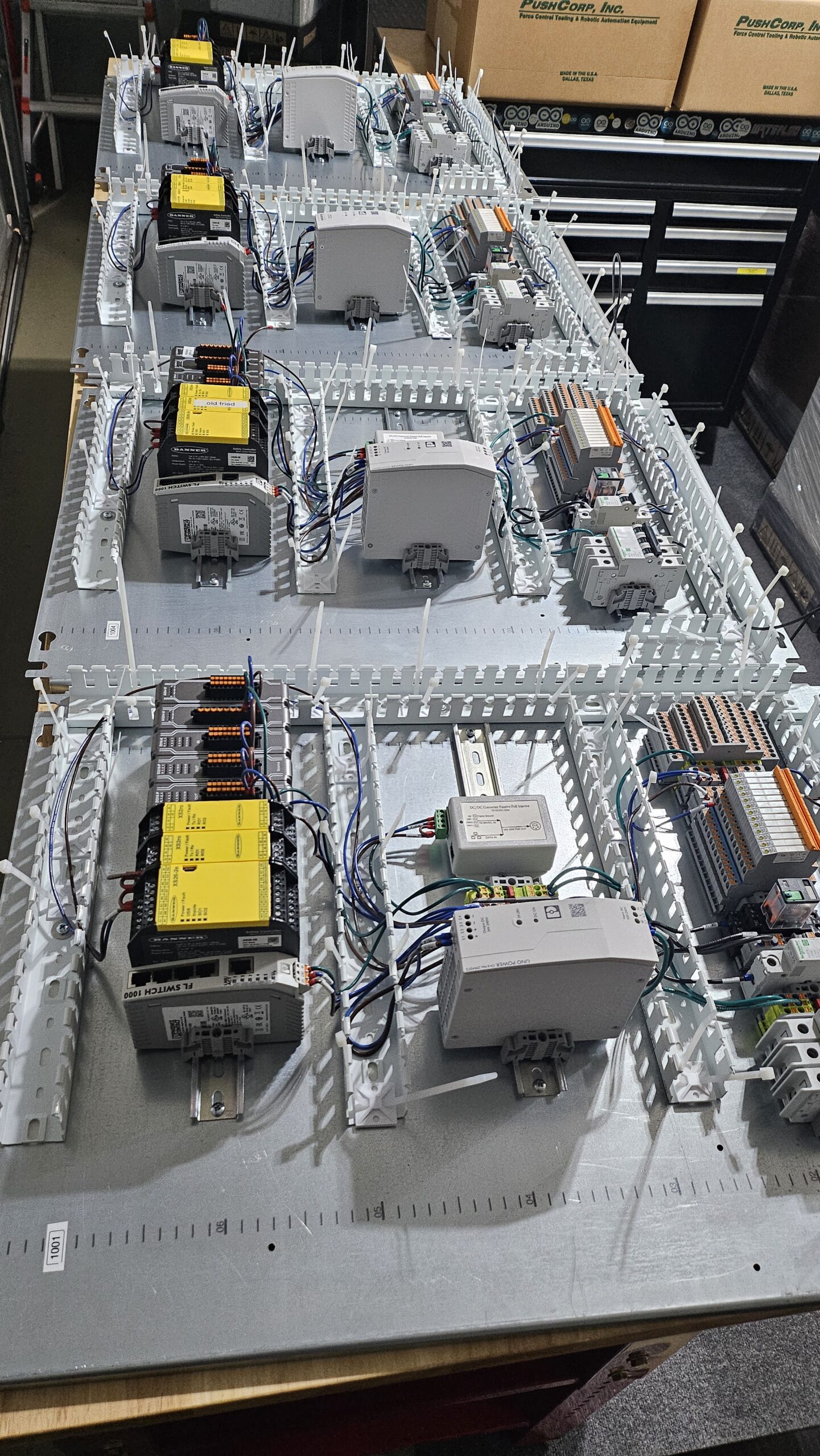
UL 508A Control Panel Fabrication and Cabinet Certification
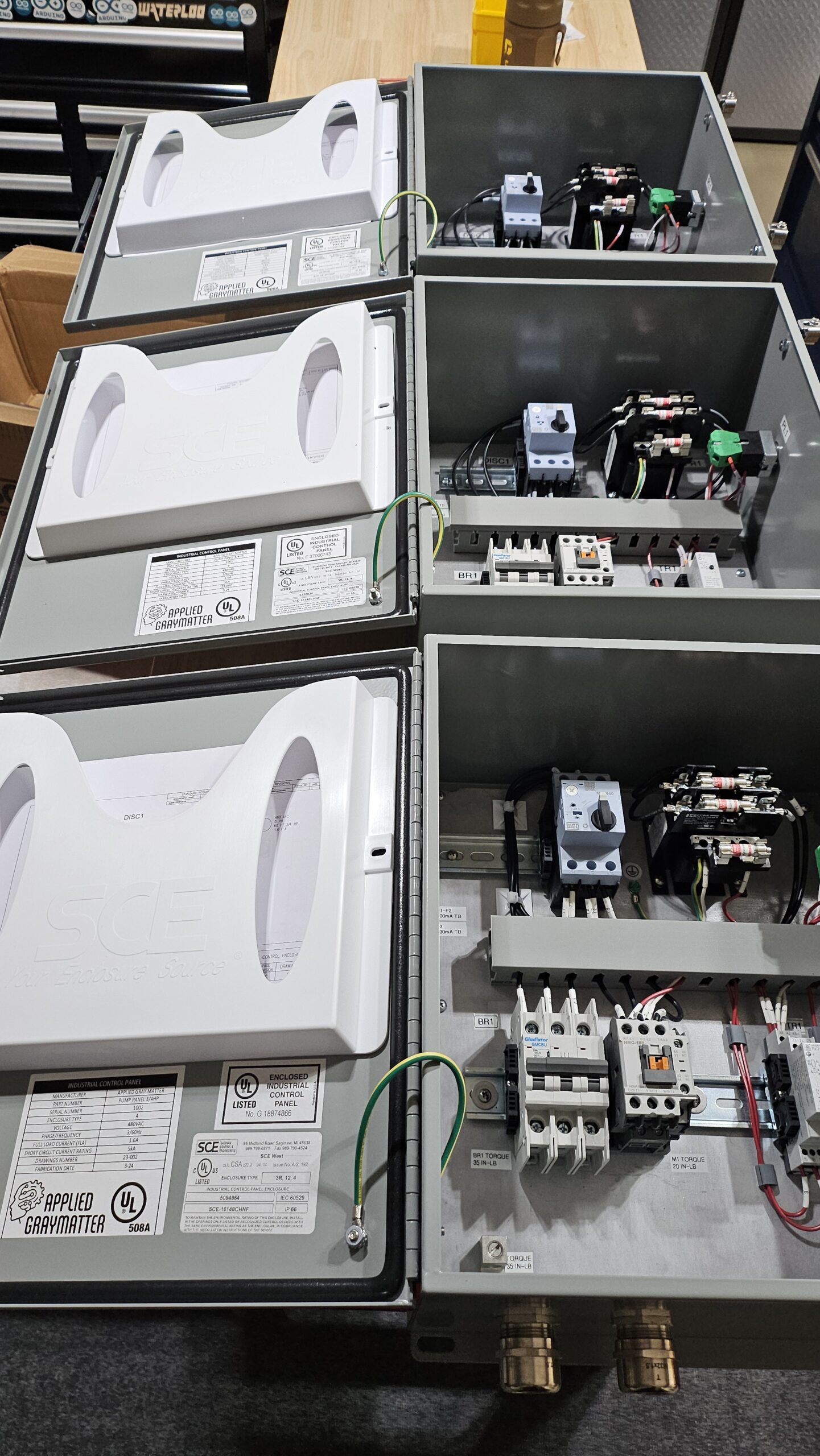
UL 508A Control Panel Fabrication and Cabinet Certification
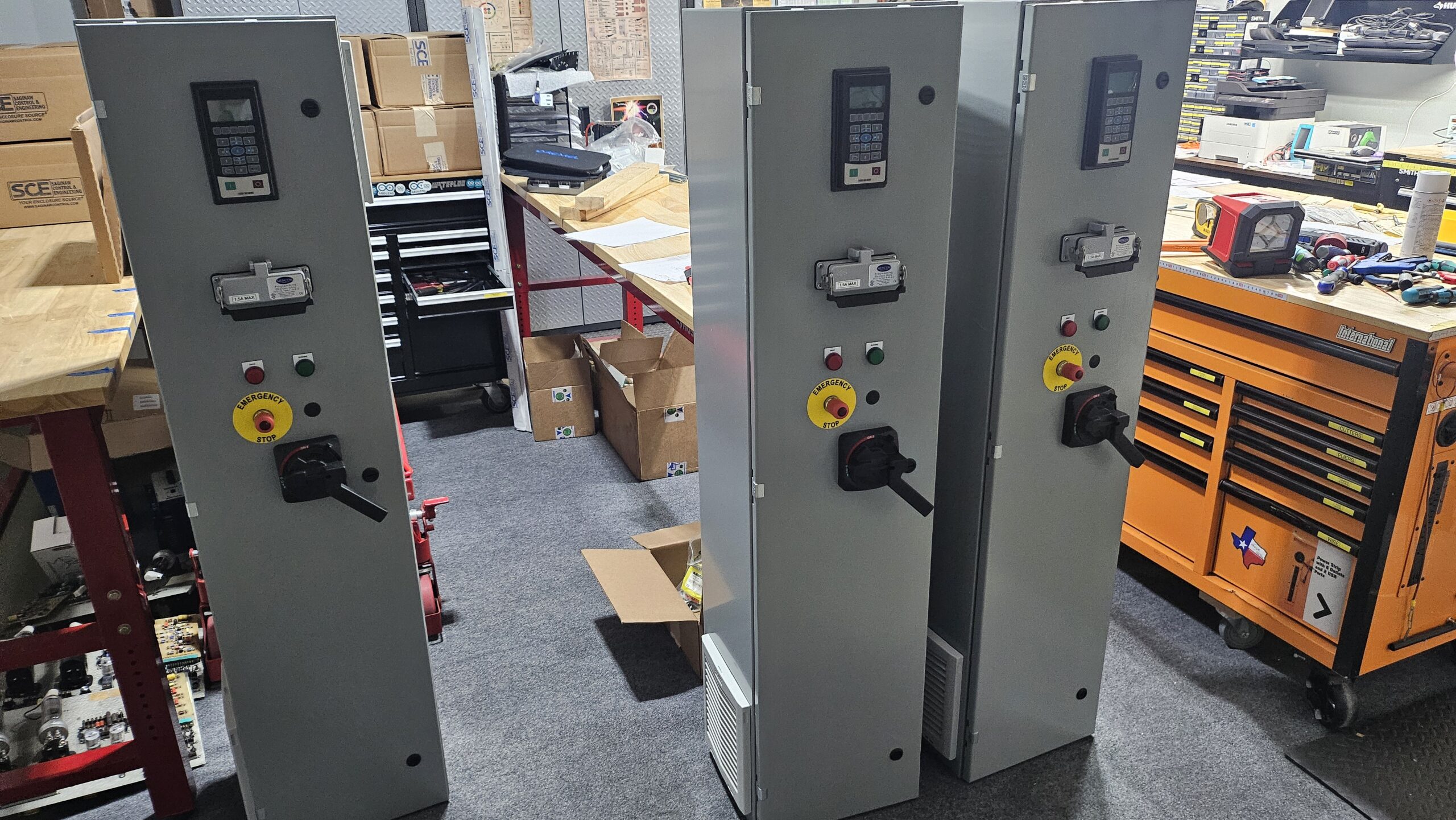
UL 508A Control Panel Fabrication and Cabinet Certification
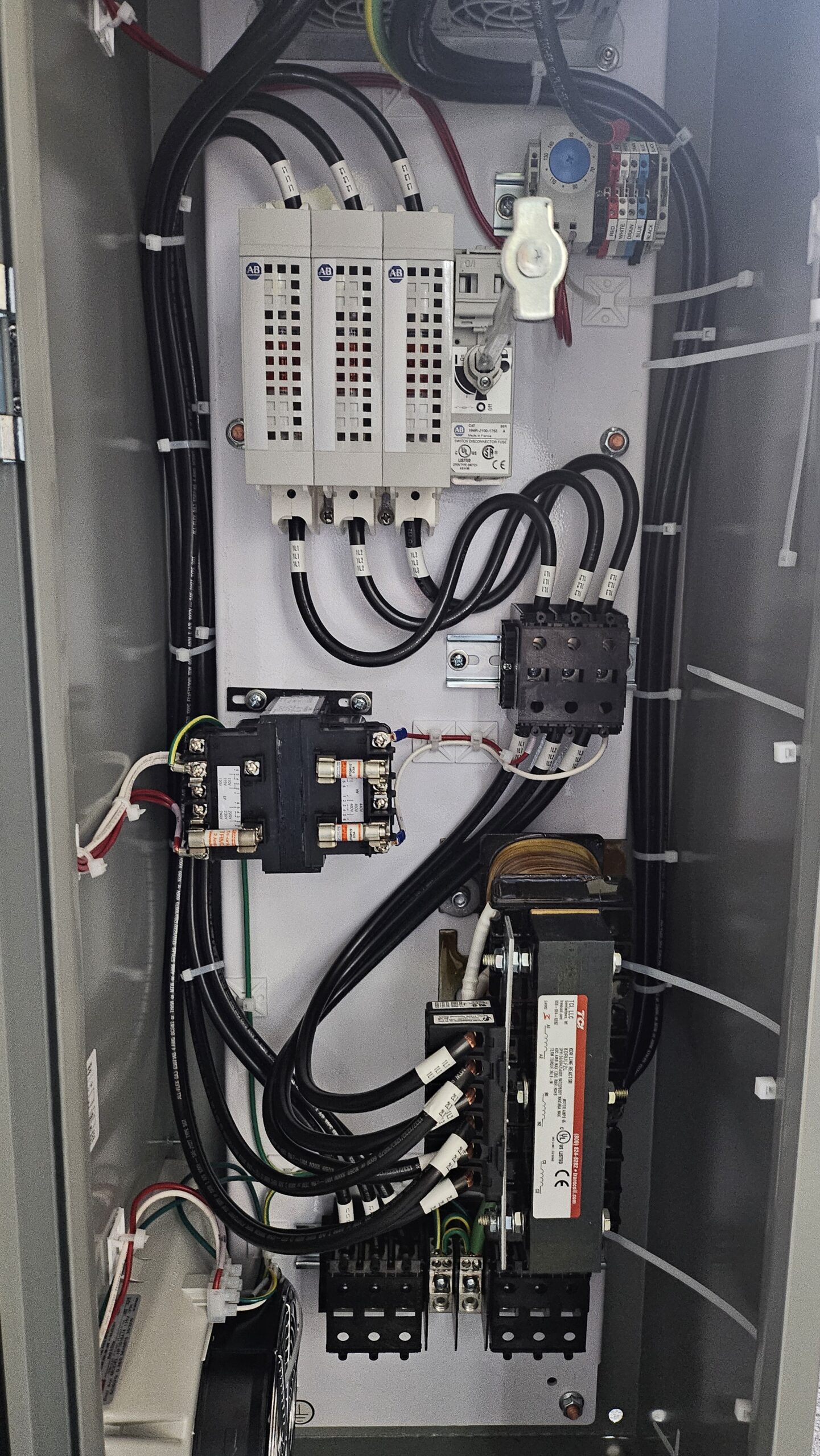
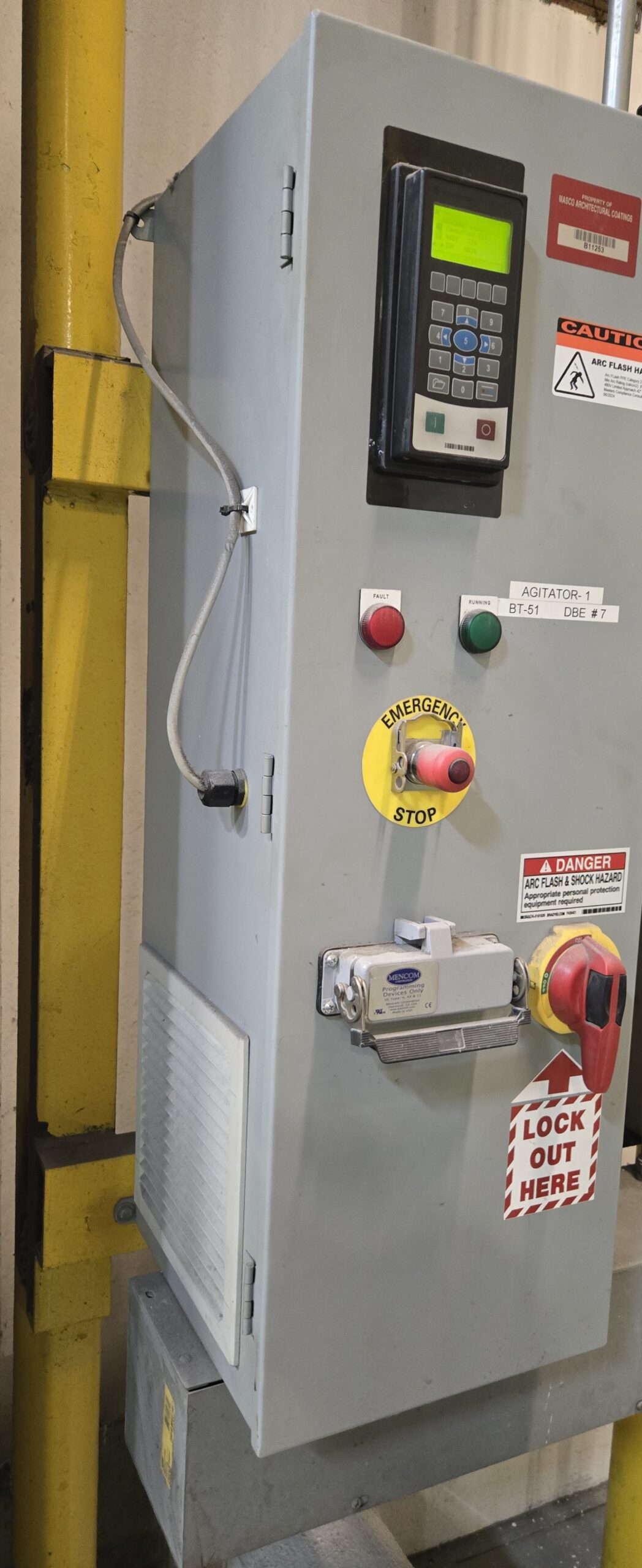
6.7 HVAC and Refrigeration Systems
Application scope: Compressor control, temperature and humidity management, defrost systems, safety monitoring
HVAC and refrigeration systems are ubiquitous across commercial and industrial facilities. Proper control ensures occupant comfort, product preservation, and energy efficiency.
Key requirements:
Strategic benefits:
6.8 Energy Management and Renewable Systems
Application scope: Solar/wind system integration, battery storage control, microgrid management, demand response systems
As industrial enterprises increasingly adopt renewable energy and energy storage, control system sophistication becomes central to economic value realization. Integration of distributed energy resources, battery systems, and demand response creates complex control challenges.
Key requirements:
Strategic benefits:
7. Strategic Business Value of UL 508A Certification
7.1 Risk Mitigation and Liability Reduction
From a risk management perspective, UL 508A certification represents risk transfer and mitigation investment. By procuring from certified fabricators and deploying certified panels, industrial enterprises reduce exposure to multiple categories of risk[1][2][3][4]:
Safety liability — If worker injury or fatality occurs and inadequate control system design contributes to the incident, liability exposure depends substantially on whether proper industry standards (UL 508A) were followed. Documented adherence to standards demonstrates reasonable care, potentially mitigating punitive damages. Non-compliance creates vulnerability to claims of negligence or recklessness.
Regulatory enforcement — Regulatory agencies conducting workplace safety, environmental compliance, or equipment safety inspections examine control system standards. UL certification provides definitive evidence of compliance; absence of certification triggers detailed scrutiny and frequently results in violation citations.
Product liability — For enterprises that manufacture or sell products incorporating control systems, product liability exposure depends partly on control system qualification. Third-party certification transfers some liability burden to the certifying organization (UL), which maintains insurance and professional indemnification addressing certification errors.
Insurance coverage — As noted previously, insurance carriers increasingly require UL certification or may deny coverage for non-certified systems. Beyond premium pricing, certain risk scenarios may be entirely uninsurable without proper certification.
The quantified risk mitigation value is substantial. Legal and insurance analysis suggests that UL certification reduces litigation risk and potential damages by 30-50% in scenarios where control system failure contributes to adverse outcomes[2]. For enterprises with large control system populations, this risk reduction translates to significant insurance and contingent liability valuation impacts.
7.2 Operational Efficiency and Cost Reduction
Beyond safety and compliance, UL 508A certification drives operational efficiency and cost reduction through multiple mechanisms:
First-pass approval — Certified panels pass regulatory inspection on first submission with substantially higher probability, reducing project delays and rework costs. Non-certified panels average 30-90 day delays and $10,000-$50,000 rework costs[2][4]. Over a facility expansion involving multiple panels, cumulative savings may exceed $500,000.
Reduced troubleshooting time — Comprehensive, accurate documentation included with certified panels reduces troubleshooting time for maintenance personnel by 3-5x compared to undocumented or poorly documented systems[2]. For production facilities experiencing process interruptions, this represents substantial value.
Component traceability and supply chain efficiency — Certified component sourcing reduces obsolescence risk and supply discontinuation problems, minimizing emergency substitutions and associated costs. Established supply relationships also provide cost advantages through volume procurement.
Extended equipment life — Proper design and fabrication extends control system equipment lifespan, reducing replacement frequency and associated downtime costs. Studies indicate 15-25% longer operational life for UL-certified systems compared to minimally engineered alternatives[2].
Energy efficiency — Properly designed control systems optimize process parameters, reducing energy consumption. For manufacturing and HVAC applications, energy savings of 5-15% are common, representing substantial ongoing cost reduction[2].
The cumulative operational value is compelling. Industrial enterprises operating multiple control systems frequently realize net cost savings from UL certification within 3-5 years through combination of risk reduction, operational efficiency, and extended equipment lifespan.
UL 508A Control Panel Fabrication and Cabinet Certification
UL 508A Control Panel Fabrication and Cabinet Certification
7.3 Competitive Positioning and Market Access
For enterprises serving sophisticated industrial customers, UL 508A certification represents essential competitive infrastructure:
Bid qualification — Many requests for proposal include UL certification as mandatory qualification. Without certification, enterprises cannot bid competitively on available work.
Premium positioning — Certified providers can command premium pricing reflecting superior quality and reduced customer risk. Market analysis suggests 10-15% pricing premiums for UL-certified panels compared to non-certified alternatives[2].
Supply chain integration — Large industrial customers increasingly require supplier certifications as part of supply chain management. Certification facilitates integration into approved supplier lists and preferred vendor arrangements.
Market expansion — Certification enables access to previously unavailable market segments, particularly in regulated industries and large enterprises with sophisticated procurement processes.
7.4 Long-term Enterprise Value Creation
From an enterprise value perspective, systematic adoption of UL 508A-certified control panel fabricators creates measurable improvements in organizational risk profile, operational efficiency, and market positioning—factors considered in enterprise valuation[2]:
Reduced risk premiums — Investors and lenders apply risk premiums based on operational risk assessment. Demonstrated commitment to industry standards and third-party certification reduces applied risk premiums, lowering cost of capital.
Operational predictability — Consistent application of certified control systems reduces operational variance, improving earnings predictability and reducing earnings risk discounts in valuation models.
Market positioning — Access to premium market segments and customer willingness to pay premium prices for certified solutions improve revenue quality and margin sustainability.
Succession and acquisition appeal — Enterprises with systematic adoption of industry standards are more attractive acquisition targets; standardized, certified infrastructure is easier to integrate and presents lower integration risk.
8. Comparative Analysis: Certified vs. Non-Certified Control Panel Fabrication
To establish quantitative context, this section contrasts UL 508A-certified fabrication with non-certified alternatives across key dimensions:
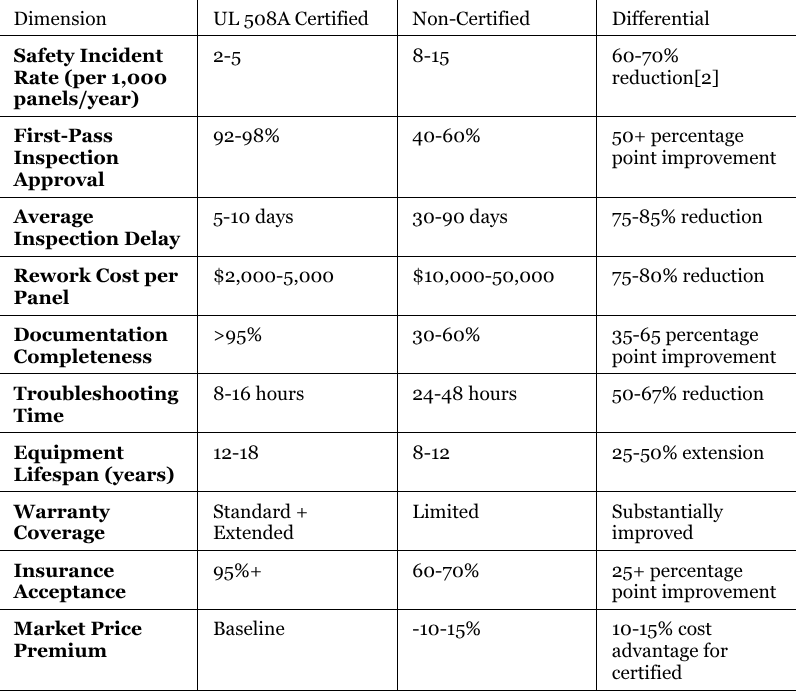
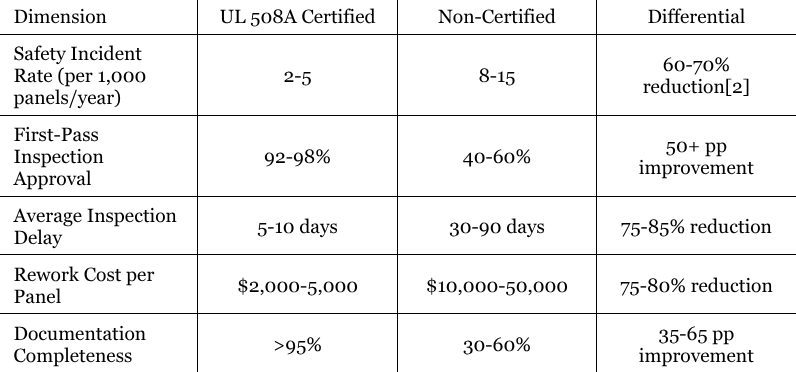
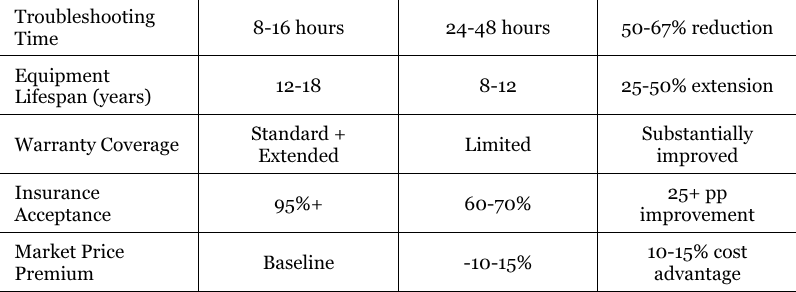
Data sources: Industry standards bodies (UL Solutions), academic research on control system reliability, insurance underwriting studies, and operational performance analysis across multiple manufacturing verticals
Implementation Strategy: Procurement and Integration
For industrial executives implementing UL 508A control panel certification strategy, several implementation considerations merit attention:
9.1 Supplier Selection Criteria
When evaluating control panel fabricators, executives should assess[1][2][4]:
Certification credentials:
Technical capability:
Quality systems:
Operational capability:
Applied Gray Matter, as a certified UL 508A fabricator with Anaheim, California location and experience across diverse industry verticals, exemplifies best practices in these dimensions.

9.2 Contract and Specification Development
Effective control panel procurement requires clear specification development and contractual provisions[2][4]:
Specification elements:
Contractual provisions:
9.3 Quality Assurance and Factory Acceptance Testing
Prior to field installation, systematic quality assurance protocols ensure control panel compliance with specifications[2][4]:
Factory Acceptance Testing (FAT):
FAT protocols typically require 3-5 days and cost $5,000-$15,000 per panel, but prevent field installation of non-compliant or defective systems, avoiding substantially greater costs of rework and downtime.
10. Long-Term Strategy: Control Panel Portfolio Management
For industrial enterprises with multiple control systems, systematic portfolio management ensures alignment with certification objectives and operational requirements:
10.1 Inventory Assessment and Prioritization
Existing control panel populations frequently include mix of certified and non-certified systems, often inherited through facility acquisitions or legacy installations. Systematic assessment prioritizes replacement or retrofit:
High-priority retrofit candidates:
Assessment methodology:
10.2 New Installation Standards
Forward-looking enterprises establish organizational standards mandating UL 508A certification for all new control panel installations, with documented exceptions requiring executive approval. This approach ensures portfolio migration toward certified systems while enabling managed exceptions for non-critical applications.
10.3 Maintenance and Lifecycle Management
Systematic maintenance protocols for UL-certified systems ensure ongoing compliance and performance:
Preventive maintenance schedules — scheduled maintenance preserving system performance and preventing unplanned failures
Component replacement protocols — procedures ensuring replacements maintain UL certification and proper component specifications
Documentation maintenance — updating records as modifications are made, maintaining traceability and compliance verification
Periodic certification audits — verification that systems remain compliant with original certification standards, identifying remediation needs if changes have compromised compliance
11. Emerging Trends and Future Considerations
Control panel technology continues evolving, presenting emerging considerations for industrial executives:
11.1 Digital Integration and Industrial IoT
Integration of control panels with Industrial Internet of Things (IIoT) systems creates opportunities for enhanced monitoring, predictive maintenance, and enterprise integration[1][2]. UL 508A certification of hybrid systems combining traditional control logic with IIoT connectivity represents an emerging focus area.
Advanced fabricators like Applied Gray Matter are positioning to address this evolution through integration of IIoT components while maintaining UL 508A compliance.
11.2 Cybersecurity and Control System Protection
As control systems become increasingly networked, cybersecurity emerges as critical consideration[1][2]. Standards development efforts are extending UL frameworks to address cybersecurity requirements, and procurement specifications should increasingly incorporate cybersecurity requirements alongside traditional safety and functional specifications.
11.3 Sustainability and Energy Efficiency
Regulatory trends increasingly emphasize energy efficiency and sustainability in electrical systems. Control systems optimizing energy consumption align with regulatory trends and enterprise sustainability objectives.
11.4 Supply Chain Resilience
Recent supply chain disruptions have highlighted importance of supplier resilience and geographic diversification. Procurement strategy should assess supplier supply chain management practices and establish multiple qualified suppliers where feasible.
12. Conclusion: Strategic Imperative for UL 508A Certification
This analysis demonstrates that UL 508A control panel fabrication and certification represents far more than regulatory compliance checkbox. Rather, it constitutes strategic investment in safety, operational reliability, risk mitigation, and competitive positioning.
For industrial executives, the business case for UL 508A certification is compelling:
Safety Excellence — UL 508A certification reduces electrical safety incident risk by 60-70%, protecting worker safety and organizational reputation[2][4].
Regulatory Compliance — Certification ensures compliance with electrical codes, facilitates rapid regulatory approval, meets insurance requirements, and supports customer contract compliance[1][2][3][4].
Operational Efficiency — Certified panels pass first inspection more frequently (92-98% vs. 40-60%), reduce troubleshooting time by 50-67%, extend equipment lifespan by 25-50%, and reduce rework costs by 75-80%[2].
Cost Benefit Realization — While UL certification involves modest initial cost premium (typically 5-10%), operational benefits and risk mitigation create positive net present value within 3-5 years for most industrial applications, with continued benefits over system lifespan[2].
Market Positioning — Certification enables access to premium market segments, supports customer contract compliance, facilitates supply chain integration, and enables premium pricing reflecting quality and reduced customer risk.
Enterprise Value Creation — Systematic adoption of certified control systems reduces organizational risk profile, improves operational predictability, and enhances enterprise valuation.
For industrial enterprises evaluating control panel fabrication partnerships, Applied Gray Matter exemplifies the capabilities and commitment expected of leading UL 508A-certified fabricators. With certifications spanning diverse industry verticals, commitment to technical excellence, and positioning in geographic proximity to major industrial markets, Applied Gray Matter provides the partnership foundation enabling executives to execute control panel strategies aligned with operational, regulatory, and financial objectives.
The strategic question for industrial executives is not whether to prioritize UL 508A certification, but rather how rapidly to migrate control panel portfolios toward full compliance, ensuring enterprise operations reflect best practices in safety, reliability, and regulatory adherence.
Industrial Control Panels for PLC, SCADA & OEM Machines: How to Specify a UL 508A Control Panel Fabrication Shop (Without...
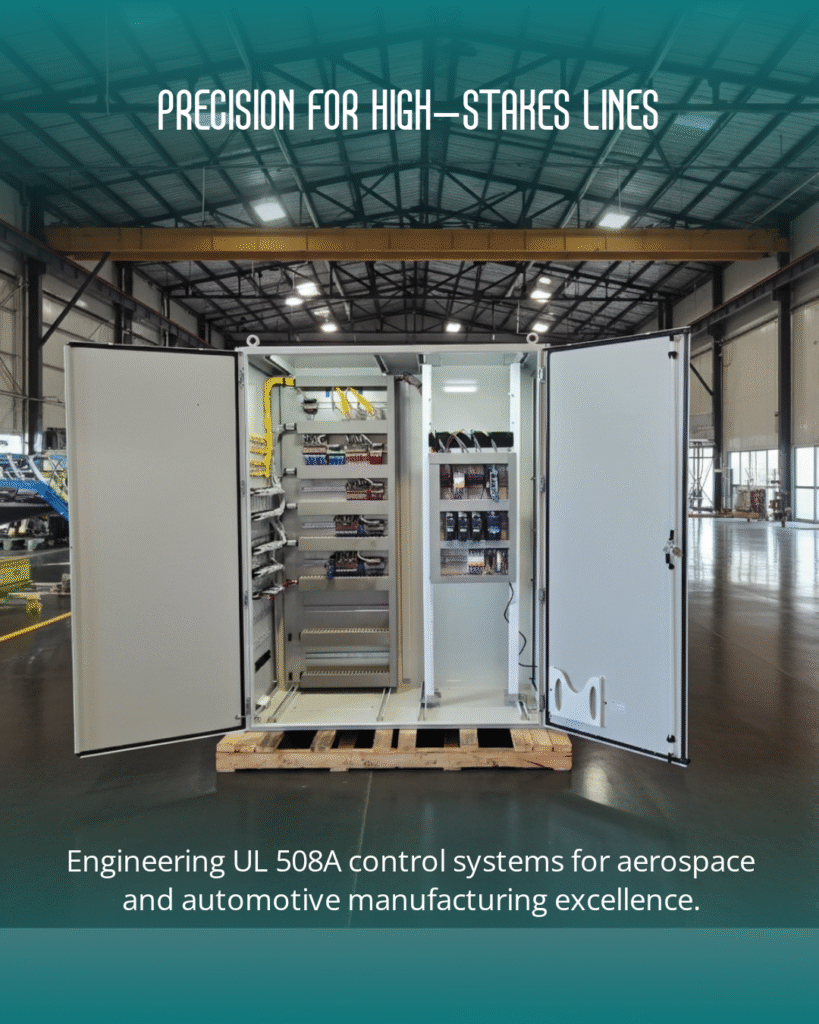
Control panels are the quiet nerve center of modern industry, turning raw electrical power and scattered field devices into safe,...
Our team at Applied Gray Matter is ready to collaborate with you to create optimal custom controls for any OEM application. Call Us or click ‘Schedule a Consultation’ to get started.